Growing Through Relationships: CliftonStrengths and BNI Networking | Garrett Hunter
Hello and welcome back to the Perfect 100.
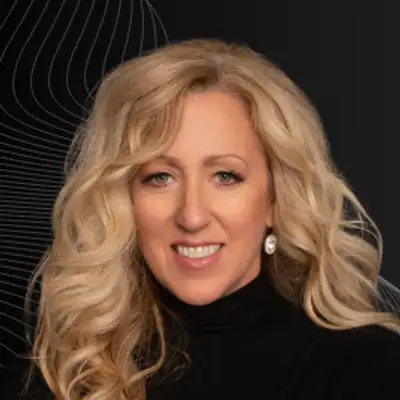
Today's guest is someone who stands out in BNI for all the right reasons.
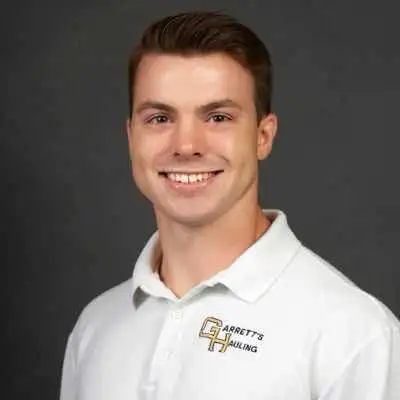
Garrett Hunter is the owner of a growing moving company and family with a baby on the way
and a BNI member who joined early in his business journey.
He has steadily expanded his team, his fleet, and his scope of work, including longer haul
moves across state lines.
What makes Garrett especially interesting is that he brings the same mindset to business
that he brings to life outside of it.
He was into jujitsu and he's known in the chapters for spontaneous back flips and meetings
and he operates with a level of discipline and responsibilities that is unusual for his
age.
I've also had the opportunity to experience his business firsthand.
Garrett's team moved my business, showed up early, worked efficiently and handled
everything with professionalism and care.
We're going to talk more about all of that today.
So let's jump in.
Hi, Garrett.
Hey, Tammy.
I appreciate that.
That was wonderful.
I'm very humbled by the backflip part, for sure.
uh
Oh, okay, awesome.
Well, you know, we've been in, well, people listening won't know, you were in my original,
your original chapter was also one of my chapters.
And so I've seen you from the start and that was definitely a noteworthy thing that most
of us have seen.
All right, let's go ahead and jump into your 45 so you can tell everybody what you want
them to know.
Good morning everyone.
My name is Garrett Hunter and I own Lightspeed Moving and Storage.
So we're a local and long distance moving and packing company located right here in
Memphis, Tennessee.
So what we primarily do is service the Memphis area.
our reaches with anywhere within the 49 continuous states though.
So we're really hunting for that move to Alaska.
And we're looking to partner with companies like other realtors, restoration coordinators
and senior living teams who help people move into their next chapter.
just, you know, of course, if you're at home, have you ever felt that moving is just an
endless staircase with no way out?
Our clients typically do before they hire us, especially our client, Heidi.
We moved her about a hundred miles away.
and the elevator broke down on our move to the sixth floor.
But here's what she said, they handled it all like champs, even stayed late to assemble
furniture and wasn't part of the plan.
Most pleasant move I've had in 60 plus years.
That's what we do at Lightspeed, not just moving boxes up an insane amount of stairs, but
carry people through one of life's most stressful transitions.
Awesome.
So in other words, we can look at your step meter and it will wow us.
Yeah, sometimes it gets as high as about four miles in a day, five miles in a day.
It's on up there.
All right.
Well, before we get into your business more, let's take a take a step a little further
back.
What was your childhood like?
What did your parents do?
And what kind of environment did you grow up in?
uh Great and tough question.
So yeah, my parents actually split up like our house burned down when I was three And they
split up around the same time.
So I lived with my mom most of my life until I was 18 My dad kind of came back around when
I was
eight years old and so he you know we were kind of like weekend warriors going back and
forth because we lived about an hour and a half away from my dad so kind of grew up just
like that for most of my life and yeah I mean it was always tough you know dealing with
divorced parents and being a divorced child and I was more of like uh a loner for the most
part I did play a lot of sports though so
just a lot of soccer.
I did karate, got my black belt when I was a kid, I did gymnastics, uh I did piano
lessons, I mean I was super involved and played a whole lot of video games.
So like I got a Nintendo 64 playing Super Mario when I was a kid, like when I was four
right after the house fire and...
From then on, mean, it stayed the same way, probably till college.
And then once I got to college, I went to East Tennessee State.
And yeah, I mean, it was far.
I mean, that's 450, 550 miles away from Memphis.
And it was hard being away from my family.
And I made a lot of great friends up there and got my accounting degree and came back.
And cause I mean, I still thought I was a kid, even when I started my business.
And some days still feel that way.
Well, fair enough.
Your dad was in BNI, he was in my capture before you joined and then he left and then you
came in.
So what did you remember, learn about his experience from being in BNI and what did you
bring forward from that?
Yes, first off, he said Tammy was incredible.
Get to know her as soon as you can.
So also what my dad taught me was uh to be memorable.
He's one of the best public speakers that I've ever met in my life.
mean, seriously, like he has some form of fame that he'll never know because he is just
that good.
And he just told me to be spectacular.
You know, he always put that into me, you know, told me that's what I am.
told me to be that and that's what I would just I would put into my presentations just
like the backflips right like there aren't many people that are doing backflips and so
always try to push the envelope in a good way not a bad way I'm not profane or vulgar or
anything I don't you know I'm a very professional guy when it comes to being I in my
personal life ah you know I consider myself a very spiritual person so
Yeah, it's just, it's be memorable because the key aspects of being knowable, likable and
trustable is like the know and like you part are two of the biggest keys because anybody
can come to do their job.
Anybody can be a professional, but to just not show up and be a robot, you know, and be
somebody personal, you know, have a heart.
That's that's the key thing that my dad taught me.
Awesome, love that.
So looking back now, you've been through a lot as you know, a lot of people have in their
childhood, what parts of what you do as a business owner now feel directly connected to
kind of what your experiences were as you were raised.
Yeah, I think the biggest key is just perseverance, know, and dealing with uh sometimes
strained relationships we
being in the moving industry, you deal with all types of different uh scenarios.
You deal with people passing away, we move estates, we also move people get divorced,
people get married, you know, and we deal with both kinds.
And you have to be very personal with these people and be in some of the most intimate
aspects of their entire life.
Some people live 100 years.
I mean, we're with them for a span of sometimes a whole day, sometimes
sometimes two days, sometimes a week at the biggest moves that we've ever had.
like, it doesn't just end there, you know, like at the end of every move, like we're
almost family ah just because of how stressful the situations are.
I mean, they say moving is one of the top five stressors in someone's life.
And we look to take a lot of that stress off of the client and we put that on ourselves.
so that's kind of where like I've dealt with stress my whole life from, you know,
strained, familiar relationships.
And now it helps me better navigate for my clients as well.
Um, and, their situations.
Yeah, that's the moving stressful thing is definitely something I've experienced.
don't think I've maybe I have said it on on the podcast, but our move here was uh
stressful, I guess is the best word to use.
We had all of our stuff on a truck and our we had a challenge with the the final mortgage
kind of situation coming through.
And the realtor on this end ended up making it all better.
We had a realtor on the other end not doing what they
needed to do but when all I got a call all my stuff's on a truck on its way here and I had
no place to put it because I didn't have a whole I didn't have the paperwork was not going
to be able to be completed.
So it was very, very stressful.
it always brings me back when I hear somebody talk about moving to that moment, because my
dog was actually in the ER also, which was even the hardest part was right after I left,
he got moved to the ER.
And my husband had the vet call me because it was touch and go and he couldn't tell me.
So I was like, oh, you know, it's one more thing, two very awful things at once.
But it all worked out.
So thank goodness for a good realtor on this side.
Yeah, that's good.
you graduated college and you decided to start a moving business pretty shortly
thereafter, which is not a typical step.
What made you choose entrepreneurship versus kind of the traditional career path?
Well, I want to say that it kind of, I mean, it didn't really fall in my lap per se.
It took a lot of thought and consideration of where I was about to go.
during the COVID era, I had moved home in March and I was about to graduate in May of
2021.
And so I had worked for Vitamin Shop.
and was working a part-time job there and I was actually working out with my dad and a guy
that he used to work for almost 20 years ago, um he was working out with his son.
And his son helped him in his move in business.
So he told me I could come and help him as a part-time job.
And so I started working for him more and more and more.
And he knew I graduated with my accounting degree.
started managing his books and seeing, you know, the profit percentages per job and how he
was estimating.
And then he was really, really slow at the time.
I mean, I wasn't getting more than about 10 hours a week to 15 to 20 at the very, very
most over the course of a couple of
months.
So I worked for another moving company at the same time and I was moving, you know,
swapping days between the two.
And eventually I just got to the point where I was, you know, seeing the stuff on
Instagram of like get a truck and a trailer and you can do deliveries and, you know, hot
shots, which is like delivering pallets of materials to from one location to another for
different like business to business industries.
And so I was like, I could do this.
Like what would stop me from doing it?
And I sold my car.
So I only had like a car is everything that I had in the world basically in the clothes on
my back besides like living at my parents' house when I was coming back from college and I
sold it.
I got my beat up 99 F250, you know, 7.3 diesel pickup truck.
And I mean, it was super beat up like no tailgate, like one of the doors wouldn't open.
It was crazy.
And my dad gave me a really beat up.
16 foot uh open trailer and I started from there.
I was using some lead based services that I had to pay for per lead to be able to start
and I use services like thumbtack and Angie leads to be able to build my business and My
dad had been in BNI already and I didn't really start on that foot and it was like really
hard to great gain traction You know, it's like who do I reach out to who I talked to
about growing my business?
And so it took me about, I think, eight or nine months of trying to do it on my own
because I was hard headed.
And then it came around February, March of the next year that I just, I jumped into BNI
and my business exploded.
So we did like in six months, about 60,000 and then with BNI.
I did 280,000 over the course of my first like actual year.
So yeah, it was a huge difference between just paying for lead services and then having
other, you know, business owners refer you business.
Yeah, I mean, it changed my life.
I bought my first box truck.
I bought an enclosed trailer.
my grandmother helped me co-sign on a 2021 f-350 and Like the pieces just started coming
in into place I had some other stuff in between that a bunch of crazy stuff, but you know,
let's have the point
Awesome.
Well, and I think starting a business at any age can be challenging.
What do you think?
And you're coming straight out of college with guns blazing, I can do this.
What do you think made you feel comfortable to commit to that path?
Well, there wasn't ever really a comfort fitting to the path.
So my dad gave me an option when I was living in his house that I wasn't going to be
someone else's employee, that I was either going to start my business and grow my business
uh or I was going to get out.
That was my option.
So there was no other, there was no comfort about it.
It was like, I'm doing it or I'm dying, you know, or I'm
you know, back living on the street like I was in college.
So I wasn't going to do that again.
Sink or swim.
uh Well, you know, hey, seems
like he knew what was going to work and you could make it work.
So that's great.
I love that.
So um did you feel coming in and again, I think this isn't necessarily an age thing, but
coming into a seasoned group with people who've been in business for a very long time, did
you feel comfortable right away or did you feel like you had some, you you needed to kind
of figure it out?
absolutely not.
So I did not feel comfortable one bit and you know, I think everybody has the imposter
syndrome at some point or another and some people have it all the time, you know, uh I
definitely came in and was like, I'm, I'm not a business owner.
Like I just graduated college.
Like, I don't know what I'm doing.
And it was so wonderful being around so many experienced business professionals that were
like, look,
Don't worry about it.
Like you're going to get there and we're going to help you and we're going to like shoot
your path way beyond what you think you can do right now.
And that's exactly what happened.
like Sean Coopwood really took me under his wing at that time.
And, you know, a couple other great men and women in that chapter and really helped me
build my business.
It was amazing.
The reception that I received.
Well, I think it's unique too because you didn't have that prior experience.
You owned that and you came in, I distinctly remember your attitude was teach me
everything.
You didn't come in feeling like I know everything already.
You were very open to help me grow and in any means possible I'm open to, I want to be
mentored.
I want to know the things that are going to make me successful and here's a bunch of
people that have that.
So let me be surrounded by that.
grow from that and I love that that was your attitude.
um So when you look back, how long you been in your business now?
Almost five years.
Five years, so when you look back to the beginning, what do you think that you did right
early on that allowed you to be, you know, sustain and grow?
Risky, risky would be my one answer for that.
So there were opportunities that presented themselves and I tried everything.
mean, my company started as it's called Garrett's Hauling.
You know, my slogan was when you're calling, Garrett's Hauling.
You know, everybody would, you know, scream the name.
It was a lot of fun.
And I built a lot of that rapport with people through that name.
We were I mean I was a guy with a truck, you know I mean I would pick up furniture off the
side of the road and resell it or I would haul junk off for people or I would demo sheds
or I would do deliveries or I would rent a box truck and go move their house and you know,
I was everything and What was good is that I got all that experience of what I did and did
not want to do
I eventually found out okay junk removals not really for me demos not really for me.
What am I really good at?
I'm really good at moving I'm really good at teaching other people how to move so that's
what eventually pushed me into okay, I'm gonna do this thing and like
I'm just only going to do moving and then like it took me a couple of years of like uh Do
I need to change my name?
You know, like I've always I mean, I'm always a little hesitant but I eventually like make
the make the push I mean I had a Dump trailer at one time and I was like renting out
dumpsters and now here we are like I took myself off my insurance policy and Bought two
box trucks and was like I'm not gonna step foot in the truck like I'm gonna like push
myself out of being
a mover, a driver, a crew foreman, and I'm gonna let my team do what my team needs to do,
and I'm gonna spend my time getting the business for my team to do such an amazing job
that they do.
Well, I think it's a very common path.
It's a path I took myself too.
think you start out, you do, I'm gonna go do this and you try to do all the things that
are like that and then you kind of whittle in into what you really enjoy and then you find
your lane.
um It's a very common, even I knew when I was a photographer is when I started my first
business in BNI and oh I was photographing lots of different things but I very quickly was
like, I really want to go down
this road in business and you know once you're in that spot where you've decided this is
my this is my thing then it just kind of goes right it just really takes off.
Definitely.
Yeah, our numbers are definitely like indicate that for sure.
Like year over year, the more we niche, the more our business just skyrocketed.
All right, so before we're gonna turn tides a little bit here and before I show your
reports, this is a time where we go into your Power of One and your Palms report.
But I do wanna say before we look at it that the Palms report and the Power of One are not
report cards, they're just snapshots of patterns over time.
when we look at them, I just want to acknowledge that these are never bad.
things.
These are not and your scores look great.
just want to kind of people that are listening don't always this might be the first
episode they're listening to you so these aren't like you know there's this or that I just
want to point out that these are just patterns that we look at to kind of understand how
you're maximizing your BNI experience.
um So go ahead and let's show those on the screen.
So for your power of one, we have a score in the green of 70.
attendance points is actually 10 in the red, and I'm going to talk about that in one
second.
Your referrals per week are 20 in the green.
Your visitors per week are zero in the gray.
Your one-to-one points are green 20, and CEUs are also 20 in the green.
And then if we look at your palms report,
So the first column is absences and late.
So again, I'm going to read everything and then come back.
So you had one absence, referrals given inside 19, referrals given outside 11, referrals
received inside three, referrals received outside 21, visitors won, one to ones 25, thank
you for close business, given $30,883.
and CEU's 34.
So the reason I kind of prefaced with what I said and I wanted to come back to it is
you've got a few late showing there and I know that's been a season of growth for you and
you've also had a significant family loss but when you look at this report overall what do
you see?
uh Room for improvement because I'm not 100 and I'm very competitive so I Mean it.
Yeah, it definitely irritates me big time And I need to invite some more people More
people in the room means more money for everybody
Exactly.
Yeah, and that's the whole point of these, is that more of everything means more of
everything for everyone.
um So, but it's also a great opportunity to most people, unless they do a podcast called
the Perfect 100, are not looking at this like I look at it.
But I'm also a support director consultant is our new title.
So I try to look at these with people because I think it's important that they see that
there actually is measurement.
You were an accountant, you got an
accounting degree, so you understand looking at numbers.
um And if we never look at the numbers and performance, and you also own a business, and
I'm sure you look at those numbers as well, and you said that's what you were doing for
your buddy in his business, so it's important sometimes to kind of measure and say, where
are we?
And where can we go from here?
And you're in the green, so that's the good news.
um But if you do more, if you bring more, if you get more, you you get more is kind of
that giver's gain, right?
That's right.
So you joined BNI and I hate to keep harping on it, but it's true at a younger age than
most people do.
So what assumptions do you think that people made about you when you walked in the room?
this youngster, you know, didn't, didn't, uh, you know, didn't really know much, which was
the truth for sure.
And, um, yeah, you know, the assumptions also were like, wow, like I can't believe this
guy is here.
You know, like the
I don't know, the difference, the maturity level, I guess, is what a lot of people assume
to me uh was different than a lot of people my age because I instantly got along with uh
most of the people in BNI.
I mean, I really...
Besides my mom, my grandparents raised me, my great grandparents raised me.
So my whole life, I've loved being around older people than myself and my age group.
I never really liked hanging around people my age.
It was always the teachers or my coach or other older people than me in my community that
I loved to get around because those are the people that knew stuff.
I knew that everybody my age only knew as much as I did or less or more.
Barely though.
I knew hanging around the people that knew more were the right way to go and I still apply
that to my business.
Not just age, but people in more experience now.
I've just recently started going to moving company conventions and really trying to figure
out how to be a better business owner.
Love that.
Yeah, and true.
think that, um you know this, because I've said it to you before, is I have a stepson
that's, I think is a year older than you.
And he had a similar background.
My husband is from my husband's previous marriage, divorced parents.
But he grew up in a foreign country, back and forth between Mexico and here.
And so he had experiences as a child that most kids don't have, most adults don't have.
moved, know, traveling on planes
back and forth alone and he took this similar route to you, think, and kind of he had that
same sort of maturity to be more adult than probably most of his peers.
And he went to the Air Force Academy and he's in a foreign country now serving.
I think that there's a, for anybody who's a parent, they would love for their kids to be,
everybody wants their kids to be successful and
think it's harder for someone who's younger to jump right in and see the value.
I think that most people just kind of go the traditional path, I'm supposed to get a job
and I'm supposed to whatever.
sometimes that hardship turns into uh wonderful things.
You know, it teaches you at a young age how to adapt and how to, you know, get into things
that most kids because they didn't have that don't have.
So I think that's amazing and you're amazing for it.
Thank you.
And I think your son's pretty amazing too.
Thank you.
So you're a little famous for those backflips in the meetings, which is not typical BNI
behavior.
I don't think, as you said earlier, you're probably the only one.
I know I've never seen one before.
um How did that become your thing?
And how did you, how do you think that impacted connection and culture for you?
So for me, the backflip came about because I've been the backflip guy my whole life.
When you have a special talent, you really just gotta hone in on it.
Something about being different makes people come, the gap between you and them is easier
to break.
you know, because a lot of people come into a room and it's very overwhelming to just walk
up to somebody and start a conversation, you know, but, but when you just saw a guy do a
backflip, it's easy to come up and be like, dude, you just did a backflip.
Like that's crazy.
How'd you learn to do that?
You know, where'd that come from?
And you just start asking some questions and boom, like you're, you're off to the races.
Like you already know something about somebody that he can do backflips that like other
people, you probably go your whole life and you wouldn't know.
stuff like that.
really just being vulnerable with people and showing your special talents is what's so
important.
Love that.
All right.
Yeah, because that's a very em it's a great icebreaker, I think, because nobody else does
it.
So a unique to you skill set that is very uh memorable.
So that's I like that finding your unique thing to open the doors with special talents, as
you said.
All right.
And speaking of special talents, what a great segue.
Let's talk about your Clifton's strengths.
We have your number one is futuristic.
which is you vividly imagine the future.
You inspire and energize others with your vision of what could be.
Number two is belief.
You have certain core values that are unchanging.
These values provide direction and a strong sense of purpose.
Number three is responsibility.
You take psychological ownership of your commitments and you are dependable and embrace
values such as honesty and loyalty.
Your number four is arranger.
You are both organized and flexible.
You enjoy figuring out how to align people and resources to get the best results.
And number five is strategic.
You quickly spot patterns and issues that others miss.
You generate alternative paths forward and choose the most effective one.
So what stood out to you most when you got your results back?
That all those things are all the things that I want to be but don't particularly see
myself as at this very moment in time is what stands out to me.
Okay.
So you are those things right now.
And you've always been those things.
Let that sink in a minute.
It doesn't feel like that sometimes, you know?
I'm a big believer in the e-myth, which I have right here.
I mean, I keep it by me.
I'm actually in an e-myth book club right now with other business owners, but that's huge
for me.
Meisner episode for those that are unfamiliar with it, but yes.
Yeah, I just saw that right before I got on here.
So, yeah, I believe all those characteristics define uh a general, you know, in the army
and defines an entrepreneur like a CEO leading, you know, a huge business.
But me right now, I'm like, you know, how am I those things?
You know, and...
It might be just my limiting beliefs, you know, at this moment.
I definitely like am trying to keep myself moving forward and, you know, onwards and
upwards towards those things and continually become them.
There's just times I get stuck in the day to day.
You know, I'm like, futuristic how?
You know, I'm worried about this client that we have right now, you know, that I want to
make sure this job goes the most perfect move that could have ever been moved.
I don't care if they're moving one item or if it's the biggest house that's ever been
created.
Like this move is going to go perfectly.
And the arranger I can see because I'm always arranging guys and trucks and who works best
with who and you know, who works best on what type of job.
and when can we work both of these jobs?
Can we do multiple for one crew in one day?
Is it gonna make them too tired?
Are they gonna have enough energy?
And for the next day, and there's just, that one I see, that one for sure.
uh
That's your.
Yeah.
Yeah.
So the so if you read and I was had to pull it out is so if you're watching this, I'm not
watching this.
I'm holding up Garrett's assessment.
So there are there's a bunch of bolded text on your in your uh assessment that talk a
little bit about what this means for you.
All right.
So when you look at your assessment you see all these bulleted points.
So the kind of wider scope of what I read sees you, you know you think about the future
but.
this talks about how you sense that your life has deeper meaning.
And because they work in tandem, it's not just by itself.
They work in tandem with the other things that you have.
So the belief, the responsibility, many of those things you just said are tied together in
that.
So you're going to see and you have to high strategic to say you see where you can fix
those things.
You see patterns and how they can all come together very easily.
So while you may not feel like
you embody them yet they they're you.
And you will the cool thing and this is where coaching comes in.
So you can this is what I do um is when you sit down with somebody like me who's a coach
who dives deeper is to help you understand.
Okay, what does that mean?
And how how can I use that now?
Because lots of people feel exactly how you felt you just said it.
Most people don't write is I feel like that could be me but you know, I don't really
understand what to do with that.
Because it's sometimes
I'm not in that and guess what?
Sometimes a lot of us aren't in a lot of the things that we're great at.
Oftentimes we're not and that's why we're not as successful because we're not using what
our talent really is.
We're busy doing other things we shouldn't be doing.
um And actually this is a good point to mention the coaching session that we did with
Aaron is he recognized that he is doing things in his team which is the team that runs
this podcast that he should be giving things to other people to do.
because they're not his strengths.
uh We all have that.
You're just picking up on it earlier, which is like everything you're doing.
uh You're getting it early, so it means you're gonna be a lot more successful a lot uh
earlier than most people because you're seeing all these things early, which is amazing.
What feels most like you of all the things?
Yeah, like I said, the arranger and probably belief em for sure that for me is the main
driver.
I've had a lot of a lot of huge, huge hiccups in my my moving company and it's just been
my belief and and God to take care of me that truly is my my driver forward no matter what
and
Yeah, I mean, I study every single day in God's Word and just know that, you know,
patience endures to a perfect work, like it says in James, and just try to imagine that
I'm some sword being forged in fire by the daily operations of life.
Okay, that works.
I like it.
All right, so I have a background.
don't know if we talked about this, but I have a background in Taekwondo um and I'm
familiar with jiu-jitsu through my stepson.
um And I know that you did jiu-jitsu for several years.
So jiu-jitsu is more uh isn't about brute force.
It's more about leverage, timing and awareness.
So when you look at what you have, you have strategic arranger and responsibility.
Where do you see those same mindsets showing up from?
what you're doing to best your opponent, so to speak, in jiu-jitsu to what you do in your
business.
Yeah, so jujitsu was all about strategy.
I'm like a huge chess player and so when I got into jujitsu, for me it was like playing
chess, you know, and there's a lot of responsibility in it too because it's not just like
you said, it's not just brute force.
Like you have to be strategic with how you manipulate your opponents.
you arms and legs and torso and because you can not only seriously injure yourself with
wrong movements and just being a little squirrely, ah you can really, really hurt your
opponent.
And I mean, your opponents are your teammates, you know, it's all one big team when you're
there, whether you consider yourself or not, you know, you're all just training together
and there's no reason to get in there and really hurt somebody.
And I find business is kind of the
way as jiu-jitsu.
mean, for me, everything in life is really related.
And if you don't think so, it's just because you're not looking hard enough.
between jiu-jitsu and business, I mean, you're gonna have somebody that's like, like
insurance, you know, it jumped almost 300 % from us year over year.
And like, it felt like my insurance company had a rear naked choke hold on me for about
six months, you know, and then I finally learned after six months of getting
I now I know, so the next time...
when this issue comes up again, I'll know what to do and I'll know how to defend myself or
I'll even know how to go on the offensive because there was a lot of time in Jiu Jitsu, I
would be bigger, stronger, faster because I was 23, 24 and I spent most of my three or
four years from the senior year of my college to the time I did Jiu Jitsu, working out
consistently, sometimes two times a day for six days a week.
and it just like I was just very very strong and so I would utilize that but there wasn't
a lot of technique and then I was still getting beat by people that were half my size you
know I'm like how are you doing this how are you half my size and beating me and that's in
business it's like you got to be profitable like you got to learn how to get skinny and
defeat the Goliaths you know
And it's same way in jujitsu.
Like then once I started learning the technique, then it was like, well, I'm stronger,
faster, and I have a little bit of technique on my side.
Well, then it was like, well, purple belts, I'd give black belts a run for their money.
You know, they would always beat me, but like I would at least, you know, be better than I
was when I had no technique, you know?
And so...
had a chance.
Yeah.
Yeah, and I hope, you know, one day uh soon I'll be a competitor against all of the
biggest movement companies in Memphis that are doing seven, eight, nine, ten million
dollars a year.
That's my aspirations, at least at this moment, for where we're looking to go just in
short term.
Yeah, I love that.
my instructor, so I am a Brown Belt, second degree Brown Belt.
I moved, so didn't move on to, we moved away, so I didn't have the, my instructor was a uh
former Olympic coach.
uh And once I moved away from him, I was like, I lost the zest for it.
But he also taught judo and he taught hapkido.
And those are both strategy and leverage and using somebody's,
opponents, um things against them, so to speak.
You don't have to be big.
You just have to know how to move people and they don't anticipate you coming.
And it's not about hurting them.
It's about defensive moves and keeping yourself safe from a female perspective.
That's kind how we looked at it.
But I was highly competitive as well.
We went to tournaments and all that.
So lot of wonderful parallels for business in there.
uh You also, because you have high strategic, how
You see paths that people miss.
So how do you balance thinking ahead and staying in the day-to-day operations?
Or you just kind of, said earlier, maybe just sort of mired in the day-to-day operations
right now.
Well, I've been reading a book, which I'm like drowning in all the books I'm reading right
now, but I've been reading 10x is easier than 2x.
One of my coaches and one of my good friends is told me, hey, you need to read this book.
And so I said, okay, I have at the point I was like, I don't know where else to go.
You know, like I need help.
Where can I go from here?
And he was like, just read this.
Trust me, it'll change your life.
And
uh It's all about 80 % of the things that you shouldn't be doing and that you should
delegate your responsibilities to someone else and the 20 % of things that you want to do
and that are your unique talent are the things that you need to do.
And just like the CliftonStrengths, it's so good to know that the things that I want to
do, the business owner jobs that I want to do, the arranger, the futuristic, the strategic
planner, all those things are actually my unique talent.
that I'm good at not the you know being the first person that answers the phone not being
the person that is like on the truck you know the first face the clients see I mean that's
really why I changed my business name to is you know it was Garrett's hauling like there
was an expectation for the clients that you know I would be the person they're talking to
I would be their mover and that wasn't the thing I was really really good at you know it
was arranging all of the things and thinking of a forward direction of where we're going
Which kind of leads me into the name of light speed, you know, I grew up with my dad
watching Star Wars my whole life and Like light speed was one of the coolest like
Phenomenons I'd ever seen you know, not only just how fast they would go But for me it was
the meticulous planning that you have to put into place To be able to make light speed
happen right without like blowing up immediately like you have to like use your
supercomputer to chart your course
know, light years ahead of you to miss meteors and stars and planets and everything along
the way.
It takes meticulous, meticulous, meticulous planning to be able to not die.
And that was like what I loved most about it.
Because then once your chart, your course has been charted, like you get to go faster than
anyone's ever gone in their entire life.
And I hope Elon signs me up because I want to be the first one.
So moving, we talked about moving being stressful earlier for the people to go through,
but that stress also becomes your stress.
So what systems have you built to alleviate that stress for yourself?
So it's not just moving furniture and getting people to where they need to be, but also so
you stay healthy.
Yeah, so for a long time over
over a year and a half or two almost my my grandmother's actually answered the phone for
me.
So it was a lot of trial and error of them answering the phone and me answering their
questions that kind of helped me build this system of like, okay, if I can have my, you
know, wonderful, beautiful, know, elderly grandmothers answering the phone, I could have
anybody do this, you know.
And so recently, the reason I brought up the 10x book going back to that is that I hired
an office manager full-time.
I was like, you know what, we're just going to make it.
Like, God's got us.
uh You know, I'm providing an opportunity for another person.
This is the 80 % of things that I shouldn't be doing.
And the 20 % of things that I need to be doing with my time are either, you know, high
ticket sales, uh know, arranging, you know, all the crews and men and overseeing all of
that, overseeing our operations manager and, you know, our crew leads and like driving.
the success of the company forward being you know in networking events and so that that
was really where like I went into into that avenue from from where I was and yeah it's
just been sometimes it's just it's just overwhelming to look back
uh from the past like you said like look at you analyze your past and and where you've
come I mean I've come from I mean seriously five years ago from right now like it's crazy
for me to even be on a podcast with you Tammy because I used to wake up on you know the
side of the street truly like
I remember parts of my life that were like that and now I mean every day is such a
blessing to be able to even you know help people and Like that's that's my life and and
what I've given it to sorry that that's probably beside the point I got a little emotional
there uh It's just awesome
there's a lot of, em yeah, I think it's great that you're able to, you know, I think it
because you're the age that you are, you know, there's already a lot of change happening,
you know, just personally, but to be also building a business that's successful uh and
continuing to grow and grow and grow.
That's that's it's an amazing two things to happen all at the same time.
So I think that
em We don't see a lot of young business owners in BNI, which I think we need to see more
of.
So if you were talking to somebody else who was kind of starting their journey, what would
be the things you think would be important for them to know about why just running your
business and getting into BNI would be a great thing for them?
Yeah, BNI alone because it
like forces you to become even more professional, even more well-spoken because it's such
a safe environment to be in because you are with other like-minded business professionals
that understand where you are and like how nerve-racking it is just to get up in front of
other business owners and talk about your business for 45 seconds, let alone get in front
of a customer and be put on the spot of like, okay, I have to like help this person know,
like, and trust me in 45 seconds to understand I'm the best option
And I'm scared to death.
They're going to give me the money and then I'm going to get the job and then I've got to
do the job and then I've got to follow up with the customer after the job and make sure
the job went well and they were satisfied and all that's terrifying.
The best advice I can give is 100 % find what you want to do by either seeking out other
people who've done it before or just trying it.
mean, literally what's the worst that can happen?
got to lose.
Yeah, love that.
right, so.
Right, yeah.
So what excites you most about the next phase of your business?
Yeah, so hiring the office manager has been super exciting and it's only been a week and
I've already like my like just being able to meet with you and not answer the phone for an
hour.
Fantastic.
I'm so excited for the future.
So like where we're going from here is I've got a couple more conventions planned for the
rest of this year.
My wife's expecting on September 24th.
So like that's gonna be awesome.
I'm trying to put myself in a position now where I can, you know, manage our managers and
manage like, you know.
I don't want to say just like VIP clients, you know, other like commercial jobs, like
really big uh projects that need a lot of like meticulous planning and oversight uh for
more like long term engagements.
And a lot of BNI, a lot of BNI, like BNI has been so great to us.
I mean, I don't know if it's okay or not, but you know, to disclose like BNI alone.
and the time investment that we put in, which is like two hours a week, you know, like an
hour and a half in our meeting and, you know, one-to-ones plus like CEUs and stuff, which
I'm learning every day.
And if you're not learning every day, like you should just start because that's the only
way to stay like get ahead and stay ahead.
Don't ever get complacent.
But BNI for us has done over $150,000 of business just in the past six months.
and continue like last Tuesday, I went to another BNI chapter that was not my own.
Because I have two visits in six months and just to see how the chapter is the life of the
chapter.
I'm the only mover in Memphis, too, which is astounding to me.
Anyways, I show up Restoration Company, they need they need a pack out and they're like, I
need you today.
And I'm like, I'm available today.
Let's do it.
You know, and $10,000 later.
Like, that's all it takes is just showing up.
and like being there for people when they need you the most.
Well, and that's also strategic.
um So recognizing that there's no one doing what you're doing and figuring out where you
need to be in order to capitalize on that opportunity uh means you figured it out.
Not everybody has yet, so that's good stuff.
ah What kind of reputation do hope you have in five years?
I always tell people, you know, on my deathbed, you know, they could forget me being a
great businessman.
You know, if I'm remembered for being a great husband, a great father, and a great
Christian, I think that's the only kind of reputation I'd ever want to precede me.
But, you know, if along the way that I've helped a lot of people, you know, with their
moving and storage needs, I think that's great too.
Perfect.
All right, so time for the quick fire round.
So just short quick answers to these very fun questions.
uh What is most dangerous, a backflip in dress shoes or carrying a solid wood dresser
upstairs?
Solid wood dresser and up uh upstairs
Okay, heaviest item you've ever moved.
uh 750 pound uh
With the least amount of men so me and one other guy 750 pound armoire that was seven feet
wide it was eight feet tall and Yeah, it took some some rigging up to get it inside laid
down stood up Perfectly and then moved over to where it needed to be that was probably the
heaviest and trickiest item that I've ever moved But we've also moved 800 pound Glass
table
up a flight of stairs uh into a downtown apartment.
That was also terrible.
So let us handle your heavy things.
Save your back.
Morning person or late night problem solving, solver.
Mmm, I'm a I'm a I'm gonna have to go with late night problem solver.
It's always a tough get up But I always want to stay up late and have to like force myself
to go to bed
What's tougher a sweaty jujitsu grappling session or a full move in full Memphis summer
heat?
Full move.
I've done tournaments and went eight jujitsu matches back to back and I will not take a
Memphis summer heat move over that again.
awful.
For those of you that have never been to Memphis in the summer, picture 100 % humidity and
100 plus degrees in temperature.
is not fun.
All right.
One habit that keeps you from going off the rails.
Discipline, 100%.
It's the only thing.
I mean, you have to do the boring things day after day after day.
You probably have that high up in your, those are probably in the rest of your top 10 in
your CliftonStrengths.
um What's one thing customers never think about that actually matters most in a move?
Professional packing.
100%.
The packing is
Because they don't get broken or just because it's more efficient?
both.
So what would take a client somewhere, you know, three to four weeks would take us a day
or two at the very most.
And also what would take us a day or two compared to their three or four weeks would keep
them 100 % completely protected just from the knowledge and experience that we have as
well with keeping things safe.
that makes sense.
I had the great fortune of being packed and moved by professionals before and I highly
recommend it.
It is so much better.
I've moved, I think I've moved 18 times um and only one of those was professionally packed
and moved and boy was that amazing.
right.
um
say if you go, if you hire a professional mover, you'll never go back.
Yes, it is really hard not to after that.
One value you refuse to compromise on even when it costs you time or money.
Integrity, 100%.
It doesn't matter how much time or money it costs me.
If somebody messed something up, we own it 100 % on the spot, get with the client about
it, we fix it, and we bring it back.
mean, it doesn't matter what it is.
We're gonna make it right.
Okay, awesome.
And last one, finish this sentence.
Consistency works because...
You work.
Okay.
All right.
Well, Garrett, thank you so much for being here.
I was really excited to bring your story.
There's a lot of good stories out there, but I'd love a young entrepreneur being
successful and, you know, using recognizing the patterns and using the tools that others
maybe don't use as much um to be successful and have great success with it.
So thanks for being here.
Yeah, thanks so much for having me.
course.
And if you enjoyed as a listener this content or any of the other content from all of the
other podcasts, because there are 30 plus of them sitting out there waiting for you at
this point in time, um do please subscribe, like the video and comment on YouTube if you
don't mind, because that would be helpful.
And if you're a BNI member, remember to give yourself a CEU credit and share this with
somebody who you think might benefit.
And we will look forward to
you next time on the Perfect 100.
Creators and Guests