Strengths-Based Leadership in Action: Referrals, Visibility, and Results | Adam Neal
Hello and welcome back to The Perfect 100.
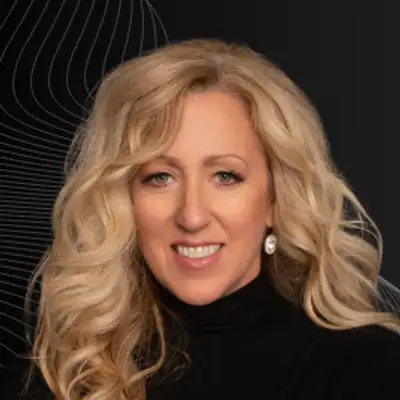
I'm your host, Tammy Zurack, and I hold the business coach seat in the East Memphis BNI
chapter.
Before we jump in, a quick note for my fellow BNI members.
This is episode 36 of The Perfect 100, which means there are 35 additional episodes
already available.
If you're working on your CEUs,
Just one episode earns you a full one, so that adds up to a little over eight months of
weekly CEU eligible conversations that are already in the mix for you.
A lot of people tell me that they don't realize there are all those episodes out there, so
I wanna make sure that you knew.
And while you're there, go ahead and subscribe so you get future episodes popping up
automatically for you and you don't miss what's coming next.
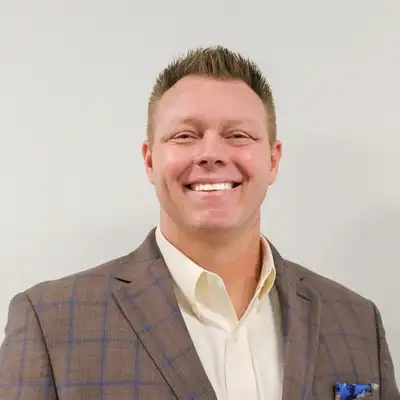
All right, so changing gears today, I am excited to be joined by Adam Neal, a commercial
insurance agency owner and leader in the East Memphis BNI chapter that I am also a part
of.
In this conversation, we're gonna look at how early influences shape leadership, how
responsibility changes the way you show up, and what steady leadership really looks like.
Welcome, Adam.
Hey, thanks, Tammy.
I appreciate you having me.
I'm excited to be here.
My pleasure.
So let's start the way we always do with a BNI member is let's have you give us your 45
seconds.
All right.
Well, my name's Adam Neal.
the agency owner at the Adam Neal Agency at Farmers Insurance.
I hold the commercial chair in the BNI East Memphis chapter.
One of the best chapters in the world, no doubt.
uh You can look at our Power One reports and uh check that out.
enough about that.
uh Here at the Adam Neal Agency, we offer commercial insurance to all business owners.
uh We offer commercial insurance regarding uh workers' comp,
general liability, umbrella coverage, you name it, commercial auto, we provide it.
And we're gonna make sure we find the right fit at the right price for you.
Our specific ask is contractors, uh restaurant owners, just basically general contractors.
All right, so before we talk leadership, because you are in leadership, I'm gonna go back
a little way.
So we're gonna go all the way back to your childhood.
Tell me what it was like growing up.
What did your parents do and what kind of environment did you grow up in?
Tammy, I can remember sitting in the living room as an elementary kid student.
My father was my basketball coach and we had my first in depth discussion on how I was
going to be the leader of our basketball team.
m
I guess I've already portrayed, you I've always portrayed leadership traits in my parents
who were absolutely amazing.
uh They recognized it and they helped me cultivate it.
And then, you know, throughout the years, whenever I got into middle school and high
school, I was the student government president.
uh You know, I played every sport under the sun and all of those
With the amazing coaches.
I've had great coaches and even when I got to college I had I had I had a couple of
Coaches that I wouldn't say was great wouldn't say were great, but I Think that I was led
to those coaches because they teach you they teach you what you know you need to as a
leader you need to know what to do what not to do what to say what not to say and
throughout sports um you know student government Association and
Even into becoming a teacher and a coach after college, uh I've had great influences
around me uh from principals and uh superintendents, government officials.
You just sit back and you learn by watching, you learn by seeing, you learn by doing.
uh
what they do, kind of mimic them.
And I hate to say fake it until you make it, but when you don't know what you're doing,
you have to rely on the people that are around you, which is one of the biggest things
that we can take away as leaders is we have, and just individuals on an everyday basis.
We have to be very mindful with who we surround ourselves with because it shapes us more
than we ever know.
Well, I always think that the fake it till you make it sounds like a negative thing, but
it's a mindset, right?
Is if you go into it with the mindset that I've got this, then that it actually physically
changes.
There's a, I may have mentioned this before, but there's a video on YouTube, it's a Ted
talk, where a lady does, she has you do the Superman pose, and there's another one where
it actually changes your physiology.
And if you feel in your head, you know, you talk to yourself for, it's a two minutes, you
have to do it for two minutes em and talk yourself up a little bit.
It gives you that mindset that I can accomplish anything.
So if you're walking in to do a presentation or just stand in front of a group of people
or do a podcast, you know, it always helps.
em What did your parents do?
My mom was a nurse and my father was in the oil business Yeah He ran he worked for a
couple different companies uh one was coastal unilube and another one was uh well girly
oil and He ran he ran the all the warehouses on site.
So He was a manager of sorts.
So he was a leader himself as well
my aunt works in the oil business or has worked in the oil business and know, Landman, I
know if you've seen that, is a big show these days.
So at this point in time where we're recording it, that's a big hit.
So interesting.
I never knew so much about the oil business.
It's pretty crazy.
Of course, I'm sure it's dramatized just a little bit, but.
Well, I'm just glad Billy Bob Thornton is coming back for season three.
I'd heard rumors.
Yeah, I'm excited.
news.
So what do you think you absorbed about work or responsibility or growing up with two
parents that you had and the coaching, all the coaches, what do you feel like you pulled
most from those things?
uh discipline, positivity, uh basically, and I know we're going to get into this, believe,
but my CliftonStrengths, ah you know, they were the ones that shaped me.
Without my parents, I would not be half of the person that I am today.
you know, first time I'd ever heard the Lombardi rule of...
15 minutes, if you arrive 15 minutes early, you're on time.
You arrive on time, you're late.
That was my dad.
And even to this day, yes, yes, they influenced me with discipline.
If I say I'm gonna do something, I'm gonna do it, whether I want to or not.
Yeah, so I have to attribute all of those traits to both my parents.
My dad was the kind that was backing down the driveway.
If you weren't in the car, if he said he was leaving at noon and you weren't in the car at
noon, you were not catching the ride because it was already gone.
yes, we I grew up in some dramatic situations as well where we were trying to leave and we
might have been a minute late and it was no fun riding in that car after after you leave
late.
Even to this day, my dad's been retired for many, several decades and it's hasn't, it's
the same.
Hey, are who we are.
We're not going to change in that regard.
Discipline is discipline.
Absolutely.
as a kid or a young adult, were you more of a rule follower or a competitor or study
person people could count on or maybe all of them?
Yeah, ah I would say I was a little bit all of them.
I've always been a rule follower.
I do not like breaking the rules.
have...
I just can't live with my conscience.
It gets the best of me if I don't do what I'm supposed to be doing.
ah So yeah, I've always been a competitor too.
know, even as we'll get into in a minute, that's one of my top five.
It's competitiveness, discipline.
You know, I've always...
As a matter of fact, a few years ago, I got in trouble at the beach because we were
playing a nice family game of beach volleyball.
And my daughters were not happy with me because we were losing and that was not okay with
me.
Even in a friendly game, had to take a break and go sit down because I'm extremely
competitive.
That's hilarious.
um So as you own a commercial insurance agency, which isn't something I would think most
people just stumble into, what originally drew you to insurance and specifically the
commercial side of things?
Right, yeah, absolutely.
when I graduated from college, you know, and I played baseball all the way through
college, I graduated, and one of my former high school coaches, they ended up hiring me.
back at the high school that I had graduated from.
And I worked as a teacher and coach for almost 17 years at West Memphis High School in
Arkansas.
And my wife, late wife now, she came down with breast cancer.
She battled it so strong.
She battled it for seven years before she passed away.
And our kids were 10 and seven at the time.
And...
At that point, you know, on a teacher's salary making, uh you know, $45,000 a year, that's
not enough to, not enough to support a family.
So I had to, I had to look at a, at a different career.
And I kept teaching and coaching for a year after, after she passed.
But uh in that time I ended up uh
meeting my fiance now and I started hanging out with her family.
They're all entrepreneurs.
Every one of them, they've been in the car dealership, they've been in banking.
um
So my mindset started shifting because of the people I was hanging around and that they're
all business owners.
My conversations were different.
Then I'd never had conversations about entrepreneurship.
And the first book I read about it was Rich Dad Poor Dad by Robert Kiyosaki.
And I was ready to go.
My first business was a real estate investment business that flopped.
I just didn't know what I was doing.
I jumped in, know, and I have a tendency to, uh you know, to jump in with both feet,
especially back then without testing the water.
And so after that failed, I started looking into insurance and...
It really intrigued me uh how I could help people.
I've always been about serving other people.
I want to help people.
I want people to be better after we've had an interaction than they were before we had
one.
uh Insurance had residuals.
had unlimited growth potential.
It was something that was on me.
If we were going to be successful, it was going to be.
And I knew that my work ethic uh was...
we were not gonna fail due to my work ethic.
uh I ended up calling Farmers Insurance and uh they offered me a position as an agency
owner and uh great support here at Farmers.
That was one thing that led me to Farmers.
And I, know, as a commercial insurance agent uh with Farmers, uh
It's, you know, I can't, I can't, I can't really say because I do all lines but commercial
was the weakest area.
So I don't want to be weak in any area.
And you know, my book, my book of business for homes, autos, life, uh life insurance, that
they were all up here.
And then my commercial book was much smaller.
So what I, what I did was,
you know, I took action to start marketing more towards commercial.
as a matter of fact, whenever we started our chapter a couple of years ago, Tammy, um I
was asked, do you want the, uh you know, the personal line seat?
And I said, no, I want the.
seat.
uh So, you know, I said I need to grow my commercial book.
So I need to get better at being a commercial agent.
so and here we are today, two years later.
Wow, well, you said a whole lot in there.
there's a lot in there.
So thank you, first of all, for sharing your story.
know your story, for the listeners, obviously, those that haven't met you don't know it.
So thank you for sharing, having a spouse pass and having young kids.
I can't imagine what that would do for the situation.
that you were able to rebound and figure out how to take those next steps and create
something for your family that's now gonna be, uh you know, been a great success.
We'll talk more about how much of a success later, but um you know, it's amazing.
So thank you for showing that.
Thank you.
Well, I appreciate you having me on so I can.
I appreciate it.
then the fact that you called farmers uh I love that that was you thought about it hanging
around with uh your girlfriend's family inspired you to say I could do this.
That I think is a big thing.
uh Most I've worked with tons of.
uh
solopreneurs who decided to leave their you know nine to five and decide to start a
business and They often are doing something that was a hobby that they turned into
something that they couldn't get paid for so to kind of have the wherewithal to Take the
jump and you know and going from having a completely different thing.
I think although There's a lot of similarities.
I'm sure you were doing teaching in coaching in your business, but it's it's kind of a
night and
day kind of transition from being a teacher to running a commercial insurance business in
general.
So that says a lot about who you are that you could look around, gather enough um moxie to
decide that I'm going to call them up and they're going to give me a business and I'm
going to go and make it work.
um So I think that says a ton about you.
So um congratulations on that.
Thank you, Tammy.
That means a lot coming from you.
thank you.
uh So when you took over insurance, now we're kind of in a different realm, what did you
learn early on about risk protection, responsibility that shapes how you serve your
clients today?
gosh, great question.
I knew absolutely nothing.
Even, you know, it's just, yeah, and being a former educator, I can go ahead and tell you,
you know, most of us understand this, especially if we've gone through college to get a
degree towards a profession.
You feel really good about it once you have your degree, but when you go and actually
start performing the job,
you realize, oh I have no idea what I'm doing here.
This was not in any of the classes I took.
So the real world scenarios take place.
So, and that's one reason I went with Farmers was because they provide so much oh in
regards to training and support.
It's a big family here at Farmers, but the service.
the service part of it is something that I took from teaching and coaching.
When I was coaching high school, I was a head high school baseball and uh assistant high
school football coach.
You know, you always want to bring the best out of people around you as a teacher and
coach.
And that's why you get into it.
You definitely don't get into it for the money.
um Maybe you get into it for the retirement because as a teacher, retirement is better
than the actual pay when you're but.
off unless you're coaching, then you're coaching all summer.
that's right.
That's right.
But, but helping people make the most of themselves is uh something that I transferred
over and and really, really, you know, work hard to try to make sure my team, um you know,
I give that to my team.
I give that kind of service to my team and my clients.
I want them to know, especially when we're talking.
on uh a team's call that they know that they're the most important thing in my life in
that moment.
And so.
Okay, so for listeners who don't really understand how owning an insurance franchise
works, which I'm guessing is a lot of people, I think that's kind of an important part of
your story.
If you own an insurance business, how does advancement happen?
Well, it happens based on your performance.
So in the insurance business, the more you sell, the more money you make.
And the more money you make, the more opportunities present themselves.
Whether you want to oh make an internal acquisition, know, buy someone else's book, um you
know, whatever the company...
as far as performance based incentives have based on your key performance indicators, your
KPIs in the insurance business.
um Those all promote growth.
in this industry.
actually recently I was hired and won't start for a couple months as the West Tennessee
District Manager.
And you know if you don't come in here and do your best and work hard, mean Tammy, you're
cut, we're cut from the same cloth.
The work is done when the work's done.
It doesn't matter if it's 6 p.m.
or 1 a.m.
You know the work is finished when it's done.
And I can't sleep in
until it's done.
So, ah you you work hard, you make sure that you do things the right way, you surround
your people, you surround yourself with the right people and build relationships and what
BNI is all about.
Build relationships and hold yourself and everybody around you accountable.
You're gonna be successful.
Yeah, I love that and congratulations on your promotion.
So uh it's interesting because I come from corporate land where you just climb the ladder,
rung after rung until you get to those roles and more, it's the same concept as you
develop your team and you help them be successful and then you get more and then you move
up and then you get more and it kind of goes that way.
From a franchise perspective, I don't know that I knew that that was, I I've worked with
finance
offices where they oversee other offices, is I'm guessing kind of a similar thing, is your
success spreads.
And my husband's actually doing that with his franchise or has asked him to mentor other,
you know, and help them to do what he's done with his business.
So even when you're in a franchise, you still have a structure where, well, when you own a
franchise, there's still somebody kind of saying, hey, this is how things are going to go.
And we'd like you to help them go better.
over there.
Right, right.
Exactly.
know, and I remember, you know, the better job you do, the more work you get.
And I like that actually, you know, that means I'm doing a good job.
I'm not the type of person that can sit around.
I have to be doing something all the time.
So yes, no, I get that.
right, well, let's transition over to your palms and your, oh my gosh, power of one.
Couldn't think of what I wanted to call it.
So, I'll just for those not seeing the screen and only listening, I'll read your power of
one.
So from the left, you have a score of 80 in the green.
You have 20 points for attendance in the green.
You have 10 points for referrals per week in the red.
You have 10 points for visitors per week in the red.
You have 20 points for one-to-ones per week in the green and CEUs 20 points in the green
um for that.
And then I'll go to your palms here.
So out of 28 weeks total, you um were, you only had one absence.
And I know that that probably had something to do with your situation as you were getting
promoted.
You were out to go and take care of that.
Referrals given inside seven, referrals given outside 14.
Referrals received inside four, referrals received outside 19.
Visitors four, one-to-ones 29.
Thank you for closed business.
I can read it, $38,830 and 55 CEUs.
So what do you think about your report?
you know, it goes along with who I am.
oh I'm going to show up.
I'm going to meet with you.
We're definitely going to see how we can help one another.
ah As far as getting other people in, I'm not going to bring them in unless I think
they're a good fit for us and we're a good fit for them.
so, you know, sometimes in BNI, you know, you have a BNI member that's extremely picky
about ah bringing people in and you have a BNI member that invites everybody, which is
what we really should do.
But ah
just the way my brain functions and the way I operate, I just can't invite everybody.
you know, inviting visitors uh is one of my weak areas.
Even though over the past two years, three of my visitors are now members and I'm so
grateful that they're here.
Right.
So that just goes to show I'm only going to do it if it's, you know, uh valid in my mind
for both parties.
you've had four in that last stretch that I just read, which is great, right?
But because it's a six month window, it averages over time.
it's unfortunately or fortunately, mean, you're doing in that little snippet, you're doing
what you need to be doing or what the chapter would like for you to do, I guess.
What BNI suggest is a great way to grow the chapter, um but because it's a six month
rolling average, but you're 80 in the green, so you're all good.
Right, right.
want to talk about because you were so you mentioned earlier that the chapter we're in is
we started it in April.
It'll be two years in April and this is February.
So we're coming up on two years.
So uh you were on the membership committee when we first started and then you took over as
president in October.
when I looked it back at, I have the view to be able to see.
from a chapter director consultant's view, some of the trends.
And when we first started out as a chapter, we kind of were flatlined from April till
about the first leadership transition in October.
And then we did a slow, steady climb up through when you got to take over.
And then we kind of did a little dip down and then we kind of, now we're headed right back
up again, which is very, very common.
But I'm curious about...
how you, because you're now in a different position as president and you're kind of new,
you were new to BNI when you came in.
So what do you feel like from supporting the chapters role and seeing it from, you know,
kind of inside and then over top of what does that feel like for you?
Well, everything in business from being a to owning your own business to being an employee
in a business, even life in general is a roller coaster.
You have to take the ups.
You have to take the down.
You know that when there's a downturn, just like a downturn in the market, there's going
to eventually be an upturn and our group.
in BNI East Memphis, ah we all genuinely care about each other.
whenever you do, and there's not many groups that you can say that about, but when you
have a group of people that come together, all business professionals, and you actually
want the person next to you to succeed, maybe even more than yourself, ah that says a lot
about not only who we are as individuals, but who we are as a chapter.
uh
any slight downturns that we've had, I've never been worried about it because I know that
the character and professionalism that we have in our group, that we were gonna turn it
around and uh really shoot up, know, really, yeah, for lack of a better term.
yes, well, and it's normal.
know, we had uh because I'm in this after I know we had people leave just because they
were moving different jobs, et cetera.
So it's completely normal.
We just had several happen all at the same time, unfortunately, but you're still in charge
of it kind of once we've dropped.
Now, what do do?
Right.
So as somebody who's relatively new to BNI leadership, what kind of guidance or support
mattered as you stepped into that role and what did you feel was important to get right?
oh as far as stepping into the president's role uh for our chapter, Our past president,
Jonathan McAllister, and our vice president, Tiffany Clemmas, uh did a phenomenal job.
the transition was seamless.
Like you said, the only thing that happened is we actually just had situations.
Nobody was upset or left in vain from our chapter, but they took a new job.
They took a new role.
uh what uh Anna Wells, our vice president now, uh
started doing along with me.
We worked together just to make sure that we could take the foundation that they had laid
and just expound upon it.
We weren't trying to recreate the wheel.
We just wanted to take everything.
mean, we have people like you, Tammy, who've been in BNI for 12 years.
Tiffany has been in BNI for...
We have so many great members that know and understand how to be successful and they know
and understand how to grow a chapter that just leaning on the group, being a new member in
leadership, leaning on you guys.
I mean, I don't know how many times I've texted you, hey, what do you think about this?
Should we do this?
What do we do here in being out with this?
Being new, I needed that guidance and...
You know, our group is so great.
You, Tiffany, Jonathan, I mean, I could go down the list, but our leadership group has
been phenomenal.
just taking the reins and trying to keep growing what our leadership group in the past has
already began.
Well, I think you can take some credit also because you bring to the party things that
other people don't have.
And we're going to talk more about this when we get to your CliftonStrengths.
I think that oftentimes because of the format where we switch over to new leadership every
October, sometimes there can be a downturn that doesn't rebound.
So the fact that you're concerned involved all the things matters.
that we kind of
I've said this before on previous episodes, because I'm in the chapter, I'm because I've
had the benefit of seeing people's strengths.
We had a little insight into a lot of people's backgrounds and what they bring to the
party.
And yours was the first name that came to the top of the list when we were talking about
who is going to succeed into the next chapter, into the next season.
I can't think what we would call it, the new year, I guess, because we're starting in
October.
and your name was right there.
So I think that you can definitely, you definitely deserve a lot of the credit in keeping
us moving forward.
And I think, yeah, and I think that the support system part is not everybody has that,
right?
We have a strong chapter because we created it and we police it for lack of a better way
of putting it.
We meet every month, chapter success meetings.
What have been your?
know, sitting in those chapter six sessions because you've been in them since the
beginning and we do them regularly.
What were your kind of from I've never been in BNI to now I'm running the show here.
What have been your impressions of that process?
Oh, the chapter success meetings are extremely vital.
to growth.
mean, for one time a month, you're able to get together uh with a brain trust and you are
able to uh plan for how are you going to grow.
You get to talk about which seats not only are open, but which visitors are going to be
the best to reach back out to.
if you're not having chapter success meetings monthly,
then I can promise you I can look at your reports and oh you're not gonna have a very
successful chapter.
yeah, sitting in those and just brainstorming on how we're gonna move forward, who's gonna
step up and that's one thing that I love about our chapter is that everybody, you don't
have to say, who's gonna do this?
And then hear crickets, everybody steps up.
and does their part and that's what makes it successful.
Awesome, love that.
And do you, just out of curiosity, because I don't know the answer to the question, do you
guys meet, does um the ELT executive leadership team meet on a fairly regular basis to
talk about things week to week?
Yes, absolutely.
So we have been meeting every Thursday at 1130, which I really, like because it's the day
we meet on Wednesdays.
So if anything comes up or we have any issues to take care of, it's still fresh.
So we meet every Thursday at 1130.
that.
I found that in my experience as a director consultant, chapter success coach, I'm still
struggling with that transition, that the chapters whose leadership teams meet outside of
the chapter success meeting itself, the chapters performance is better.
um So because you're talking about what needs addressing, right?
So, you know, if you care about what your chapters
If you want your chapter's trajectory to be different, then you can't do it alone, and you
can't do it in a vacuum.
you know, information comes to all in different ways, and if nobody talks about it, then
nothing really changes, right?
Exactly.
You know, what's the definition of insanity?
Doing the same thing over and over again?
Expecting different results?
Yeah, if your chapter is not successful, you know, let's change some things.
So, absolutely.
I agree.
that.
All right.
So this is a good time to roll over to your CliftonStrengths results.
So I will read them from the top.
So your number one will be no surprise to people is harmony.
uh You look for consensus.
You have no use for unnecessary friction and guide others towards practical solutions.
Number two is consistency.
You are keenly aware of the need to treat people the same.
You crave stable routines and clear rules and procedures that everyone can follow.
Number three is positivity.
You have contagious enthusiasm.
You are naturally upbeat and can energize others.
Number four is discipline.
You enjoy routine and structure.
Your world is best described by the order you create.
And number five is competition.
You measure your progress against the performance of others.
You love contests and need to win.
And because you've also done the full 34, uh two things I want to point out.
So I've got your full 34 on the screen.
So if you were only looking at and we'll leave it on the screen, but if you were only
looking at your your top five um in your top five, so the themes, which is off to the
right on the if you're looking at the screen, uh they come in different colors.
Right.
So your harmony and positivity are relationship building themes.
Consistency and discipline are executing themes and uh competition is an influencing
thing.
So you would think, you you're split down the middle between relationship and executing.
uh And you might think to yourself, gosh, I don't even have uh strategic showing up.
However, if you go to the full 34, you can see that it says that your dominant theme is
executing.
So, but you have
I think one, two, three, four, what is that?
Five executing themes.
You have four relationship building themes and then it drops to one on the influencing and
uh the strategic don't show up until a little later.
But without this information, without the rest of it, so I'll get read six through 10 for
the listeners.
So six is achiever.
Seven is focus, eight is responsibility, nine is developer, and 10 is included.
So now that I've said all of that, and you kind of alluded to it earlier, but what did you
think about your results when you saw them?
Well, I was a little surprised that Harmony was number one.
Not surprised that it was in the top 10.
I thought competition might be number one, but one thing that, and I even told the chapter
this, my whole life has been...
oh
you know, I'm harmonious on one end and competitive on the other.
So my whole life has been a contradiction.
I mean, you know, I I don't, I want everything to work out.
want to, I want to fix things.
want to make sure everybody's happy and everybody's in a position to be successful.
But you know, and I guess, you know, saying that out loud now with you here on this
podcast, on your podcast, that
goes along with competition.
want everybody to be successful.
Well, you know, your team, not, if you're only as strong as your weakest link.
So if not everybody is successful, you're then you're not going to win.
And I've got to win.
I've got oh
Well, and that shows.
So, but so does all the other stuff, right?
So you, to be surprised that Harmony, sometimes people are surprised about their own.
thing because, but when you read it and you show it to somebody else, like, yeah, of
course that's you.
Um, cause you definitely bring those things, that is evident in all the ways you act.
um so, and ironically, or maybe not ironically, but I, I always say one of the examples I
always give is when I'm talking to people about CliftonStrengths is if I'm looking at
building a team, I'm looking for somebody who has
high harmony because on my report, harmony, Includer, some of those things are at the very
bottom.
So it's always a good balance to have somebody like you and somebody like me because we
see, I have high influence, your influences are a little, they just show up, they're
there, they just show up, the next set of things.
em So there's not your go-to, your go-to is making sure people are happy and
you know, being all the positive things you said already and achiever in executing.
You you said earlier, I wrote down work hard until the work is done.
Yeah, that's achiever.
And I have high achiever also is there, you know, the work's not done.
I don't know if the work's ever done, but we keep working.
Exactly.
Yep.
Well, and I do, and I want to give you a shout out on this because I had no idea of
different areas, especially in my business that I needed to outsource.
You know, I'm my strengths are, you know, I need to, I need to let my team take over.
need to hire, hire another company, oh you know, to do that.
So, you know, to do different tasks with it and using the Clifton strengths, you know,
it's, it's, it's spot on.
It is and it lets you know, it really gives you a guide on not only who you are but what
you need to rely on other people to help you like you were just saying.
What type of person do I need to hire next to make sure that they can fill this void that
we have in our office because that's none of our strengths.
so I want to make the point because you said you're using it potentially for hiring.
Um, Clifton, well, Gallup who owns CliftonStrengths doesn't recommend using it as a hiring
guide, but it is wonderful to understand that if you're not
If you don't have somebody with the things on your team, that when you look at your team
grid, that you might certainly want to find somebody that has that, because that will help
you.
But it doesn't mean you can't do those things.
It just means it's not your top go-to, it ain't thing to do.
You can do all the things.
Everybody can do all the pieces of the jobs that they're hired to do or in your business.
It's just a matter of what do you enjoy doing.
em and what naturally comes to you.
So you don't have to think about how to build your team and, you know, execute the things.
That's just natural for you.
But if you wanted to go in a different direction, somebody else might be a better, might
be a great asset to you.
Exactly, exactly.
No, that's and when I said, um, talked about hiring, you know, I just use it to, know,
because I know what me and my team, what our strengths are.
So I don't want to hire someone that's just like us.
We want, we want to hire somebody, you know, that, so it's, it's a great thing to maybe
not use for a hiring technique, but to, know what type of person you're looking for when
you are as a business owner.
Yeah.
because we don't want to exclude somebody from doing certain things because it's not when
we look at their profile, it's like, well, they don't have, you know, I can do lots of
stuff um and I have.
completely, you and I could do exactly the same stuff, but we have completely different
strengths, right?
So we both can accomplish, you know, head to head.
If I had an insurance business, I'd be happy to go toe to toe with you.
uh Because that would be fun.
I would, I would, yes, I would be down for it.
And, and I'm, we're completely opposite ends.
So just want to make sure that's clear to listeners that, you know, that's not how we want
to approach looking at our people.
So
You did share with me that after you had your strengths report done that you took the, I
don't know how you have it, but you mentioned you have your strengths on your dresser and
so you see it all the time.
um So what made you decide that having it visible was a good thing for you?
Well, you need to know who you are.
And we all know who we are, but it's always good to uh do something like a Clifton
Strengths Test to, uh you know.
Like I never knew that my number one trait was harmony.
It's important to see it every day.
So I put it on my dresser right next to my sock drawer because I know I'm gonna wear socks
most every day.
so I sit it right there and I wanna just remind me, hey, I'm disciplined.
So whenever I wanna take a shortcut, I can think.
oh well you know I see it every day so it's fresh in my mind.
If you look at it one time and then you don't see it again for another month you might not
remember what your top five are much less your number one.
So I think it's very important especially not only as an individual but as a human, not a
human being but a business owner and a leader, you need to know and you need to rely on
your top strengths ah to push your business and push yourself forward.
So I think it's very important to sit it right next to where I can see it every day.
Need to know.
Well,
I'll give you that it's important as a human being because it helps you all the way
through everything, you know, helps you in your relationships, it helps you, you know, in
your work, all the things.
And when we do strengths organizations, so if you have me come in and.
let's say I do the assessment for everybody, then we create a strength organization.
That's one of the things that is recommended is we make placards that we can hang on the
wall.
So when people are coming in and out of your office and it becomes part of their process
and their brain is like, I know I need to go to this one when I need help with this
because that's their strength.
So not only does it help you because everybody knows what everybody's
strengths are, but it also helps the person who has the strength because we're
reinforcing, hey, Adam, I know I'm trying to make these big changes happen in my office
and I'd love to get your feedback on how I can make it a harmonious, know, everybody feels
comfortable, happy, positive, um you know, moving forward.
I would love your insight on that.
So you're going to be like, well, I got that, right?
Because that's what you're good at.
And
So it reinforces that you feel good.
You're getting that endorphin hit because somebody's recognizing your value because that
is what you bring to the party.
But it also helps everybody to remember what those things are.
Because nine times out of 10, when I ask people who, when I tell people what I do, they'll
go like, I think I took that.
And I'll say, great, what were your, you know, what were your results?
And they're like, ah, yeah, you know, maybe they look on their phone, but they, most
people can't remember it.
So, it's a good stuff.
That's exactly right.
No, it's helped me in my business.
uh Was it last spring that I took it with you?
It was maybe April or March, but...
uh
August, August 1st of 2025.
So it was, it's helped me in my business and I've also given it to my employees too.
uh yeah, it's important that.
that you know what each other's strengths are.
And if you're feeding as a leader, you want to feed your employees with things that
they're going to be good at.
Because that builds confidence, and confidence is dangerous in a good way.
If your confidence keeps building, you're going to be more successful.
And if I'm playing towards their weaknesses, then they're.
Like you said, the endorphin hit, not gonna build the confidence and their performance
will suffer.
So it's extremely important to know.
So harmony and consistency often when you have both often get misunderstood as keeping the
peace, but they're really about fairness and stability.
So how did those show up when you're managing conflict or guiding decisions?
Yeah, I've thought about that uh multiple times whenever I'm dealing with issues.
knowing that with Harmony, it's not just about making sure that everybody is okay, that
I'm trying to people please.
Because when you first think of Harmony, you think, oh, well, there are people please.
Well, I like for people to be happy, but you can't make everybody happy all the time.
m And you have to know that.
So just knowing that, yes, you do want to please everyone, but at the same time, know,
hey, I need to make sure we hold them accountable as well and put them in position.
So to be successful, makes all the difference.
Yeah, and you've got a number of other things right up there at the top that make sure
that happens also in tandem.
And positivity is one of your top strengths.
And one description of that theme is distancing from cluttered or chaotic environments.
How does that show up for you at work?
And does it ever collide with your real life, like when you have kids?
Which I know you do.
Yes, no, well at work.
I make sure that I have my time and I do it before I come into the office of course.
In the morning I take about an hour before anything else happens.
The first thing that I do every day before anything else, I get up early enough to make
sure that I have that hour where nobody is around me.
There's no chaos.
Because once you get to the office and the hustle and bustle, the phone's ringing, your
attention's gotta be here and then in five minutes it's gotta be over there.
You've got to take breaks too throughout the day.
And I do that as well.
Maybe a five minute break or uh on a drive to a meeting.
You turn the radio off, turn the podcast off, and you sit and think.
I love listening to Warren Buffett talk about oh his success and that's what he does all
day.
He sits and meditates.
And it's extremely important to separate yourself.
ah if you want to be successful because everybody that you know the more successful you
get and the higher that you climb everybody wants a piece of your attention all the time
and so you have you have to be very very mindful and focused to to make sure that you set
yourself apart ah from all of that chaos and I make sure that I do that daily
Awesome.
I know Tony Robbins says that too, and I can only imagine what his days must look like,
but um he does the cold plunge and the meditation, you know, to kind of start the day and
get his mind right.
Yes, that works.
The cold plunge works as well.
That's good.
Yeah.
tried the cold shower ones and that's so hard.
We can do the cold plunge in my, we can go do the pool in my backyard.
It's very cold plunge right now.
So I guess I could give it a try.
uh
not jumping in.
It's probably still frozen over my pool.
Oh no, that's not good.
All right, so how has being a parent changed your positivity, patience, or expectations
around that order and environment?
ah One of, uh so I have a son who's 20 and my daughter is uh 16.
So they definitely challenge me in good ways.
ah But as a parent, when you get in chaotic situations, you have to stay calm.
And you have to make sure you don't let your emotions uh dictate what you say and do to
your child.
Same thing in business.
mean, this is a life thing.
whenever my kids mess up and I have had to grow because when I first started coaching, one
of my players made a mistake and I might say something that I shouldn't say to them and I
might react.
in an emotional way that I shouldn't have.
uh But as you grow and mature and really take all the steps that you need to work on
yourself, to better yourself, and that's one thing that I've done with my kids is I stay
calm.
My son totaled his truck three weeks ago and you know there might have been a day that you
know of course he's fine and that was the first and foremost but
You have to stay calm in those situations, especially as a parent, especially as a
business oh owner.
Let everybody else talk.
Let everybody else speak and then really listen and learn what the problem is so that you
can help solve it.
And that's the strategy I take with my kids, with business, with relationships.
Sounds like good advice um and definitely based on what you're good at.
So I love that.
So you work in commercial insurance where systems and processes matter.
Can you share a moment when improving a system created lasting ease or clarity?
Repeat that again.
That's a good question.
So systems and processes matter in insurance.
Give me a moment when improving a system created lasting ease or clarity.
Oh, yeah, okay.
So uh your CRM, you know, we changed here at the agency, our CRM, about a year and a half
ago, where our reports were real time.
uh
you know, our reports had been, you know, 30 minutes to an hour late and in business you
have to know what's going on right now.
uh So changing our CRM about a year and a half ago has really helped our systems and
processes.
When I first started, we would have a sheet of paper with follow ups.
Then we went to putting it in our phone for reminders on follow ups and tasks.
And now we have a CRM that
does that.
That even, you know, we're sending out emails to follow up, we're calling, texting,
emailing, and now we have a CRM that does that for us so it frees us up to prospect more.
And for those not initiated into the acronym CRM is a client relationship management tool.
So a lot of small business people don't use the CRM and they do all the things you just
said.
They use Outlook, they use their email, they use all the things that it's not repeatable
necessarily that the copy and paste and do things so it spends more time, but it's also
less efficient from keeping your business moving forward because
you're spending time doing things that a system's already designed to do and can remind
you to do things.
It's kind of like AI a little bit.
And now a lot of the CRMs are being infused with AI.
some of those tasks are the time is even less now because AI is doing it for you.
So if you haven't jumped on either of those bandwagons, there's no better time.
Exactly, exactly.
What's one early mistake you made in business or leadership that still influences how you
operate today?
Well, when I first started, I didn't have enough staff.
As a business owner, you have to have the right people and the right, like John Gordon
says, get the right people on the bus and put them in the right seats.
When I first...
I've been, when I first started, went through so many different employees because my
hiring, pardon me, my hiring process was not what it needed to be.
I didn't have that system oh ironed out.
And then when I got them in here, didn't, they weren't the right fit.
And I didn't know that on the front end and I should have.
So that, that was a huge mistake starting out.
That, that cost me quite a bit of money, but uh,
You you fix that.
Yeah.
Well, and it's a great parallel to BNI chapter, is if you don't have the right system, if
you're not interviewing, there is a manual where you can, it has interview questions if
you're not using that.
And we've actually even enhanced that because there's some additional questions we've
asked that are more situation driven where we can hear how people are, you know, it's kind
of hitting all the BNI things, but it doesn't necessarily hit the
personality things and having been a recruiter, it's good to ask kind of situational
questions where what would happen if.
So you get truer answers because a lot of yes no question isn't necessarily going to get
you the right people.
So it translates well into we want because you said if you don't have the right people,
you're not going to make it the right.
You're not going to make money.
Same happens in a chapter.
We have the wrong people, a lot of turnover.
We don't make money.
And that's the whole point.
So so good stuff there.
I love that.
Alright, so what excites you most about this next chapter moving into the district manager
role?
It's a challenge.
I love a new challenge.
We have a lot here at Farmers in West Tennessee.
We have a lot of magnificent agents that...
friends with and I know well.
And we have some that need to do better, for lack of a better word.
uh So I'm excited to get in there and help guide them on systems and processes and things
that they do on a daily basis that's going to lift their agency up.
uh So helping people, I'm excited to share what I know and keep cultivating.
relationships with these agents to help them grow.
Spread the love.
All right, let's roll into our quickfire round.
So these are just quick answers, hopefully short questions with quicker answers.
So what's one small decision you make every day that has a bigger impact than people
realize?
oh My faith, definitely my faith.
First thing I do devotional every day.
Okay.
What profession other than your own would you like to attempt?
uh a financial planner.
Okay, fair enough.
uh Preventing problems or fixing them, which do you naturally prioritize?
preventing, but I do enjoy fixing.
Okay, perfect.
One habit that keeps you, keeps your week from going off the rails.
oh My calendar, planning, sticking to my calendar.
All right, one risk business owners underestimate the most.
ah Your budget.
I think budgeting can make or break a business quicker than anything else.
Okay.
How about from an insurance perspective?
What's the biggest risk from an insurance perspective that people overlook?
Businesses.
Yeah, businesses.
as...
Oh, yeah, lack of coverage.
You know, they worry more about the premium than protecting their livelihood.
Yes, that's talking to the right people about the right stuff, right?
All right.
And if your business had a personality, what would people notice first?
oh that we care about them.
We want everybody to be successful and happy.
Love that.
And what has been I taught you about people that business alone never could?
that's great.
Accountability is my number one with BNI.
So I hold myself accountable, I have often in the past not held the people around me as
accountable.
So that's helped.
All right.
And finish this sentence.
Owning a business to me means
It means helping other people.
Okay, awesome.
Well, Adam, thank you so much for being here.
um Appreciate all that you've done in our chapter and um just being personally being
around you is always a joy.
em And you model what consistency and leadership looks like.
So we appreciate you very much.
Well, that's the pot calling the kettle black.
So I appreciate that, Tammy.
Thank you so much.
I appreciate you having me on.
was my pleasure.
And before we wrap up, I want to thank the audience for listening, especially my fellow
BNI members.
If you don't remember that this is a CEU credit, go ahead and give yourself that credit
now.
And from a givers gain perspective, would love if you enjoyed this episode or all the
other episodes that you give us a subscription to the channel if you're on YouTube,
ideally.
uh Like and comment would also be wonderful.
That helps the algorithm show us to more people so more people get helped by this
opportunity.
And that's all I have for you today.
So thank you for being here and we'll see you next time on the Perfect 100.
Creators and Guests