The Long Game of Business Growth: Michael Pawlowski on Networking, Leadership, and Trust
Hello and welcome back to The Perfect 100 and welcome to Season 2.
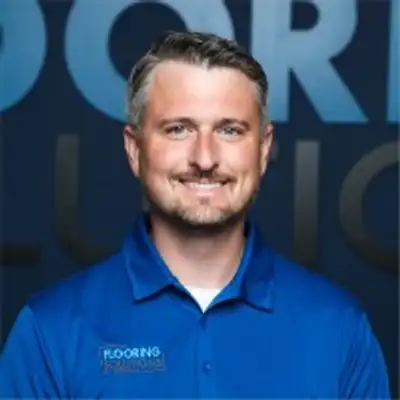
Today's guest is Michael Polowski, a retail sales manager at America's Floor Source and
president of his BNI chapter.
Michael also brings nearly 15 years of leadership and management experience from Lowe's
and when his current company was purchased about a year ago, they retained him in his
leadership role because of the consistency, structure and people development he brings to
the table.
He leads a very trades heavy chapter of 31 members with a lot of untapped potential and
has already started moving the needle on both culture and results.
Today we're going to talk about leadership, accountability, consistency, and what it
really takes to move individuals and groups forward.
Welcome, Michael.
Thank you for having me, Tammy.
Of course, and I'll apologize to the audience if I sound a little funny for Christmas.
This word just passed Christmas.
If you're listening later in the year, I got a cold for Christmas.
So I'm going to sound a little nasal-y today.
So there you go.
All right.
Well, let's go ahead and tell everybody who doesn't know you a little bit about you with
your 45 seconds.
Yeah, thank you, Tammy, and shout out to everyone listening.
I'm Michael with America's Floor Source, and at our core, we help people transform spaces
they love to live and work in.
We specialize in all types of flooring from luxury vinyl to laminate to hardwood and tile.
You name it, and really what sets us apart is that we handle the entire process from
inspiration to installation.
We also offer a full service window treatments from blinds and shades to custom solutions
that finish the space the right way.
Whether it's a homeowner, builder or business, our goal is simple.
We make the process easy, transparent and done right the first time.
If you're thinking about upgrading your space anywhere down the road, we'd love the
opportunity to help bring your vision to life.
Awesome.
All right.
And you mentioned, because I've been to your chapter, I'm, uh so I'm the, they call it,
they were calling us chapter success coaches now we're support director consultants um for
your chapter.
So very fancy titles.
You, I know you were working with, I know you were uh using chat GPT to help you with your
45 seconds.
So for those that haven't embraced that as a way to switch things up, tell them why you do
that.
So, know, the Chatch GPT not only helps, you know, make a 45 second sound more
professional, but it helps, especially when you do the paid version, it starts to learn
about your business and learn the things that you specialize in.
And it can really make sure that you're not forgetting the important things that you need
to talk about when you only have 45 seconds to really get your message out.
It's been very powerful.
We have a couple other people in my organization that are in BNI, and it is something that
has worked successfully for them as well.
and it's something that we will continue to grow on in the future.
Yeah, I find it very helpful for me because, you know, the goal is to have, say something
unique, you know, that sticks and that when you're trying to come up with something unique
and that will stick every week, that can sometimes be a creative gem.
So having that.
Little aid is a helpful thing for me.
So I'm glad that you've embraced it as well, because heck, I'd rather listen to the fun
and exciting tweaks that Chet Gbt helps us make than the same old boring ones that we hear
from some people all the time.
So you work in flooring.
It's an industry that I probably think most people think of just kind of materials and
installation.
How do you explain the real value that your team brings to the customer beyond just the
product?
Yeah, so, uh you know, in the Memphis market, uh you know, there are a lot of different
companies that offer flooring and uh anyone can sell flooring and, you know, you have a
lot of clients that, you know, uh price is important, but it's not just about selling the
flooring to us.
It's really our mission uh is to deliver the customer experience at the highest level.
And uh flooring, uh selling it itself is just the basic 101 of the business that we're in.
uh We have a very, very high level of service, uh whether it's a wholesale client or
realtor looking to get a house market ready uh or a general contractor that's needing
someone to do that part of the project.
And when we come into the picture, when we sell the flooring, we have project managers, we
have a very refined process to make sure that
Everyone involved is communicated thoroughly throughout the entire process.
uh And then uh as far as uh punch list items, uh anytime you're in construction, there's
always uh opportunities for things to go uh awry.
And uh we have a very clear process on how to solve those issues and to get the project
100%.
Awesome.
And you're a retail sales manager, so you're leading sales teams.
How has managing performance and people shaped the way you think about accountability and
consistency?
Yeah, so, um you know, my sales team, you we're human beings.
We come to work and we, you know, our hopes are to bring home money to support ourselves
and our families.
And, you know, I'm very fortunate.
The sales team here in Memphis is a great, amazing group of people that we have.
um you know, holding people accountable, we all want accountability.
That's how we level up.
That's how we're better tomorrow than we were today.
And, you know, one of the things that I've always been a strong believer in, and I forget,
God, who taught me this, but it's very public knowledge.
You praise in public, uh you coach in private.
And uh I'm a strong believer in it.
It has developed the culture that we have uh at America's Floor Source.
And it's helped our team uh grow and hold each other accountable.
I like that.
Yeah, that saying is uh one I learned early on as well coming from a sales background and
I worked uh in an industry, I worked in the automotive industry, male dominated and in the
early 90s that one wasn't uh as embraced as it is today.
I used to listen to, I was on my way up to becoming a store manager of a Goodyear store
and I used to listen to the...
the store manager had an office much like the one I'm sitting in where the ceiling, the
walls don't go all the way to the ceiling.
There's a gap and they obviously added it later, but you could hear, he would put it on
speaker and you could hear the regional manager screaming at him.
He was the sales manager and the district manager and the regional sales manager would
both call and chew him out and it was just embarrassing.
It's like, how is anybody gonna be better because you're, even though it wasn't.
considered public, could all, everybody could hear it.
And so that was like, you know, come on, that's not, that's not motivational to do that.
I'm so glad things have changed a little.
So, um so in the flooring industry, I feel like, I mean, most industries trust is a thing,
but what do you think that customers need most from you when they're making a decision and
how do you make sure that experience is consistent?
Yeah, so trust is really in sales alone.
That's everything.
uh Trust is a huge part of being able to close a sale.
uh you know, one of the things that, you know, we don't really brag about, but, you know,
we are the third largest private flooring company in the nation.
And uh when, you know, whenever we we sense a lack of trust, you know, that's something
that, you know, we are able to talk on.
And we say that not to brag.
We say that so that our clients understand that
We've been, uh we're such a large outfit that uh we have very refined processes around uh
everything that we do, whether it's our production team, our installation team, our sales
team, our showroom staff with our designers.
uh Our process, uh we feel sets us apart, uh which that alone uh ensures that our clients
are gonna trust us uh from beginning to end.
Love that, you know, it kind of begs to the parallels of BNI.
You know, we have processes that we are hoping everyone follows for the same reasons, as
everybody has a great experience when that happens.
So, kind of talking a little bit about BNI, your chapter, as I mentioned, is heavily trade
space.
You have 31 people, and 21, if I counted correctly, are in the trades or surrounding a
trades type field.
So it's actually, in my mind, a huge opportunity for your chapter.
Coming from your perspective, you're in a trade as well.
What makes trades businesses uniquely positioned to support one another when collaboration
is working well?
Yeah, so, you know, our chapter, I got lucky when I got tapped to see if that chapter
would be an opportunity for me to join.
Being able to join the Arlington chapter and being as trade heavy as it is, uh it has
helped position me to be able to close more projects.
And I'm sure if you were to kind of take a poll with some of the other trades, it's helped
them as well, because a lot of times,
uh When we go out to a client's house and we're interacting with them with a project, a
lot of times when you're doing flooring, you're not just doing flooring.
There's painting involved.
Sometimes they want to update cabinets or countertops.
There's a lot of different things that are involved in the project.
And a lot of our homeowners, uh they don't want to go through the process of having to uh
network and find all these different trades.
And so these are things that I'm able to bring to the table where I can help them solve.
relatively quick issues.
uh know, if we're talking about a shower, you know, I have a plumber that I can bring
involved.
When we do flooring, do, you know, anything with the baseboards.
I've got a painter that can come in behind me and do the painting.
And these are things that, you know, it adds trust, it adds value to my presentation, and
it ultimately lands us a project because of that chapter that I'm in with BNI.
Yeah, I think that the, I said the unique opportunity that you present, think that there
are power teams that are around building, and you guys have literally, I mean 21 different
kinds of trades.
You literally can do just about anything there is to do and then some, right?
So if you thought about the power behind a power team where you could go to market and
say, look, instead of waiting for
stuff coming to us, which is what we all typically do.
We do our own individual marketing, but if you started to think about it as a team where
we created an environment where we could go out into the market and say, here is
everything we do, and these are all, I think the biggest thing in trades for me.
as a normal consumer is trust.
you know, you hear all the stories all the time, all over social media about which trade,
you know, whatever, pick your poison that didn't show up or did it late or took my money
and didn't come back or, you know, there's a thousand different complaints.
But when you can bring a full-fledged
body of people to a consumer and say, hey, here's everything we do and these are all the
people I trust.
You can put your money behind these people and feel great about it.
um I mean, it could be amazing, right?
All right, awesome.
So you also spent nearly 15 years in management at Lowe's and I'm imagining that systems,
processes, and expectations mattered uh daily.
I know in big box stores I've worked for some big.
big brands like that.
What leadership lessons did you learn from that environment and do they still guide you in
how you lead today?
100%.
I can't tell you how many times that I look back on my career at Lowe's.
First off, Lowe's was a great company to work for.
And I still do.
I'm still in Lowe's on every Saturday and Sunday that I'm off buying all kinds of things.
But yes, absolutely.
Working for a large corporation like Lowe's, it taught me uh to understand processes and
systems.
When you're scaled that large, you
have to have processes for everything.
And when I went from Lowe's and before we were acquired by America's Floor Source, that
was one of the tools that I was able to bring uh to Flooring Solutions, uh helping uh our
leadership team uh define and grow on our processes because it really works.
If we're all beating to the same beat on the drum, uh it's just gonna make the customer
experience better.
uh
Yeah, I would not be where I'm at today had it not been for the skills that I developed
working for that company.
Yeah, and I feel kind of the same way.
You know, we're corporate for 20 plus years.
And while it can be challenging sometimes to work, you know, you feel like you're,
sometimes you can feel like a cog in the machine, but it is also the best place to learn
how systems work, right?
cause then you just can't have that many people working under one roof and have it be, you
know, multi-state, multi whatever without having.
processes that everybody does.
It's the McDonald's of home improvement.
So everybody's got to have the same experience when they walk in anywhere that they would
have in each one.
So very cool.
What part of your work gives you the most pride right now, whether it's personally or
professionally?
uh So what gives me the most pride is really just seeing my team succeed.
uh know, one of the best things about, you know, for me, one of the most rewarding things
being in leadership is taking someone, you know, that's relatively green into the world of
flooring and then teaching them uh and then watching them grow.
uh know, there's no point in having a leadership
title if you don't have a team to support you.
uh watching my team grow, watching them learning how to get into the networking uh with
BNI, it's just such an amazing thing to be able to look back on after a full year or a
quarter and see where someone started and where they're at today.
uh It's very rewarding and uh it makes what I do so easy.
I love what I do.
I love our company.
And I can't wait to just continue to help people grow and succeed at what they do
professionally.
love that.
And Michael has another person that is in my chapter that has been a previous podcast
guest.
So Andy, if you want to go back and listen to Andy's is a member of my chapter and joined.
He's only been in there.
It's been less than a year.
So he's getting a lot of good traction and he's as amazing a person as you are.
So we love having him.
So all right.
So let's roll over to your power of one.
and since we're talking a little bit about BNI and performance.
uh So on your power of one, you have a total score of 70.
You have 15 points in attendance in the yellow.
You have 15 points for referrals per week in the yellow.
You have zero points in the visitors, m in the gray.
And then one to ones, you have 20 points.
And CEUs, you have 20 points.
So you have maxed out in uh several areas.
How do you feel about that overall?
So overall, obviously there's always room for improvement.
Our goal is to be uh the perfect 100.
And uh that is something, you know, there was a time where, you know, I think some of the
opportunity was, you know, I was very, very heavy in management and not so much out in the
world.
And I have started to kind of develop a little bit of a hybrid.
I am starting to sell a little bit more interacting with clients.
uh And then another thing that I'm doing is, you know, uh to the people that are not in
BNI, I do share uh my roster list with them so that when they're interacting with clients
that they can add value to people that are in BNI.
I can't tell you how many times that I've had a project on the fence and, you know, I've
walked in whether I'm wearing my BNI, my badge.
or I reference anything about BNI, uh you instantly gain trust being a part of the world's
largest networking institution.
So um it's something that for 2026, I'm definitely gonna focus on, especially being
chapter president, I want my chapter to grow.
It's gonna do nothing but support myself and everyone else in our chapter.
So my visitors um is going to increase.
uh And then, uh you know, obviously being chapter president, I've got to show up every
week.
So my attendance is going to increase.
uh and I will say just to kind of wrap this part up is, you know, the CEUs.
One of the things that uh I have taken on for 2026 is prospecting.
And I want to be the master expert to be able to teach my team uh the art of prospecting.
And uh being in BNI and being able to
go to the Builder app and be able to look up some of the training around uh networking and
prospecting.
I'm able to take that ah and then learn it.
And then I actually even incorporate some chat GPT into that and help kind of make it a
little bit more fun with role playing and stuff like that with my team so that this year
we can actually go out and not just wait for people to come through our front door.
We're gonna go out and we're gonna show Memphis in the mid-south.
what all we have to offer in the flooring world.
I love that.
makes me think of, because again, you guys are so trades heavy, is if, I mean, you're kind
of in a perfect world.
If I was to think of a chapter that had 20 other people that were in surrounding
businesses to me where all of my customers, you know, potentially are coming from or going
to, that would be my first stop is let me look at those 20 people and say, okay,
who makes the most sense that I should pair up with on a regular basis and figure out how
can we work together to figure out, because that prospecting for you guys in the trades
should be significantly easier because literally every customer, like you said earlier,
you've got opportunities with painting, you've got opportunities with the various
different things that you're working in and around, and so do they.
Right, so it's to everyone's advantage if you pair up on a more consistent basis to help
each other find clients.
It kills me when I go and visit your chapter, if I hear somebody saying they're not
getting enough, I'm like, wow, there's just so much crazy opportunity here.
They literally just look around the room and spend some time with those people and you're
gonna find clients.
And a lot of them have been in business for a very long time.
It could be as simple as, you know, joining up and connecting databases and figuring out
who needs a, you know, who needs a service that they haven't had in a while.
And maybe you can create some specials as a group, you know.
So there's a lot of fun things you could do.
So I love that.
Let's also look at your PALMS reports.
We'll bring that back up.
So you, this is a total of 20, I think it's 20, if I can see it.
I can't see the little screen, 22 weeks I believe.
So you had no absences, you had two subs, which obviously that means you had no absences.
Referrals given inside, you had two.
Referrals given outside, you had 14.
Referrals received inside, you had four.
Referrals received outside, you had 21.
You had one visitor, 47 one-to-ones, holy cow.
And thank you for closed business given 6436, $6,436 and CEUs 22.
So what stands out to you the most when I look that over?
Well, really, it's the one to ones.
uh know, one of the things that when I first joined BNI, I think this is my fourth year
now with BNI.
uh You know, we call our chapter kind of a, it's a more of a lax chapter, which we're
slowly curving that, um creating a culture where it's, we're gonna, you know, when we
speak about processes, you know, BNI has a process for everything.
And uh one of the things that I was missing
was truly doing a true one-to-one the right way.
And Tammy, I think you and I had a meeting one time and you kind of showed me that there
was an actual printout for a one-to-one.
And this is something that I have done with a lot of my one-to-ones.
I've been doing it so much now to where I don't necessarily have to bring it every time.
It is something I love to have on the table with me and then have the person I'm having
the one-to-one with to be able to kind of go down the list and make sure that we're
talking about everything that's relevant to the one-to-one.
You know, especially with, you know, being in a trade that a lot of the, or a chapter
where a lot of these members were not just referral partners.
A lot of the people, uh you know, they break bread together.
They go with the sporting events together.
So we have a very, very close relationship with a lot of people.
And sometimes when you go to have a one-to-one, your intention is there, but you'll go
down a rabbit hole where you'll start talking about, you know, family things that is
relevant to each other.
And then at the end of the one hour meeting, you didn't really ask for the business or a
referral or anything like that.
So that's what I've leaned heavily on.
uh it's made, you know, I've got new relationships with people in my chapter that uh for
the three years that I've been in there, I never got a single referral from.
you know, today I'm doing a job for someone that I had never done a job for in the three
years I've been there.
And I truly credit it to
following the one-to-one process and using that sheet while I'm having these
conversations.
Yeah, that's great.
And obviously you're doing more than what is required per week.
it's healthy balance.
You don't want to do too many because then you get too burned out.
if you do enough, and enough for being nice as one a week, if you're doing two a week,
which is about what seems like what you're up to, then you're going to get uh more
opportunities.
But it won't be, hopefully, too taxing for your regular schedule.
It'll just be worthwhile.
So you said you've been in BNI for four years.
What originally brought you to BNI and why did you stay?
So uh when I had just started flooring solutions, uh the gentleman who was one of the
founding fathers of the Arlington chapter, Nick Levin, uh actually was looking to, uh he
was expanding his business, uh really it was more business to business.
He did a lot of new construction and with new construction, there's a very high need to be
on the job site early in the morning.
In our meetings, we meet at seven in the morning and that's
That is because we're a very trade heavy uh chapter.
We need to be out in the field come eight o'clock.
So uh Nick tapped me on the shoulder and asked if I would be interested in it.
And initially I was scared to death.
I had no idea.
Never heard of BNI, uh you know, coming from a corporate Lowe's environment.
uh But I, you know, I'm always open to anything.
And so I, I visited the chapter.
and instantly knew that this was going to be something that was going to help benefit uh
myself and my company.
And so here we are four years later and just a tremendous amount of success is contributed
to BNI.
Yeah, love that.
And Nick actually won the bid to do floors at my house.
I have uh previously done business with uh your, I guess your former company because we
had a, the refrigerator in the kitchen had a water line leak that apparently went under
the floor in the living room.
And my stepson happened to be home and stepped on the wood floor in the living room.
And between the two slats of wood,
water squeezed up, like, that's not gonna be a good thing.
yeah, so we ended up, but it was interesting because I called three different flooring
companies and they were all BNI people.
And I said, you let me get bits from everybody.
I won't name the other two, but the only one that showed up when they were supposed to
show up, talked to me like, you know, a normal person should talk to me and gave me
options and then gave me a quote.
in a timely fashion.
One of the companies never even gave me a quote.
then they did everything the way I would.
I worked retail for a long time.
And so I kind of have maybe higher expectations.
But I think most people have expectations that you show up on time.
You talk to me like a human being and that you give me good options and then you tell me
how much it's going to be in a timely fashion.
And that didn't happen with the other two people.
So that you guys won the business.
So yeah, very cool.
All right.
So since stepping into the president's role three months ago, you've helped move the
numbers of members and yourself up to an acceptable level.
And you have nine, actually nine of 12 people now are either in the yellow or the green.
And that has been consistently, you know, not quite there for your chapter.
So from a sales leader's perspective, what behaviors did you focus on changing that?
made that improvement happen.
Well, really, just, you know, it's not because of one person.
you could say I'm the chapter president and this is happening because of me, but the
reality is it's the leadership team and then it's the entire chapter themselves.
ah You know, I think in all things uh that you do, both personally and professionally, you
get comfortable doing what you do and you think that, you know, that what you're doing is
the
the right thing and the best thing for you.
And sometimes you just have to go back to the basics.
uh And that's kind of where we're at.
uh We've got a new communication platform that we've been using.
uh So it's something that uh as the chapter president, I've been sending out reminders,
you know, a couple of days before our meeting to make sure that we're turning in our
business, we're recording our one-to-ones, uh you know, and then, you know, for the people
that uh aren't.
utilizing BNI the way it should be, you know, we're having some private conversations and
trying to see, you know, did they have the proper training?
Do they understand uh that showing up to a BNI chapter every day or every Wednesday when
you meet is not the answer?
There's a lot more that happens in the background.
And quite frankly, the answer to developing the relationships and to actually getting
referrals themselves is to actually have a one to one.
And then the CEUs is just going to help you out uh professionally as well.
uh that's really it.
Holding each other accountable, which is one of the BNI core values.
ah then just kind of acting as the cheerleader for the chapter and trying to keep people
motivated.
And then looking for the ones that uh have opportunities and kind of walking them through
it and having them see things in a different light.
Yeah, and I know that, well, let me answer, because you said using a different
communication platform, so tell me about that, because I'm sure somebody listening is
going to want to know what that is.
Yeah, so we use Slack uh now, which uh we used to do everything email and for a lot of us,
uh small business owners or you work for an organization, you get these emails.
uh If you're in a trade, you're out in the field.
You don't have the time to pull that up on your phone.
And even if you do have the time to pull it up on the phone, if there's an action behind
it, you're probably not going to do that right then and there.
And by the time you get back to the office or sit behind your desk,
You've got 15 other emails in front of it and a lot of times those things kind of fall
through the wayside.
uh by using uh Slack, there is a uh centralized communication platform that we can do any
special event shout outs.
uh can kind of put some anything that I want to put on to remind our members around making
sure to get your thank you for closed business turned in.
And really just the three months that I've been chapter president, uh we've got
We have everyone on the platform and it is a great form of communication.
Yeah, like it.
Several of the chapters use Slack and several of them use GroupMe.
GroupMe is a little more, it can be challenging.
It's kind of like Facebook, know, the feed goes and then you have to scroll back through.
With Slack, it's a little easier to find things, I think, then at least it feels that way.
But having one versus the other and just that it's not buried in an email from, you know,
15 weeks ago that you're never ever gonna find makes it a little easier when it's all in
one spot.
So coming from a structured sales and retail environment, what's been the hardest part
about applying accountability to a volunteer organization like BNI?
I think the hardest thing uh is just really getting people's buy-in uh to it.
So, you know, there's members that have been in our chapter since it originated, I want to
say 15 or 16 years ago, maybe longer.
uh you know, people get comfortable, like I said earlier, and, you know, having...
uh
Being able to get in front of those people to have the difficult conversations around,
make sure that the accountability piece is where it's at.
um That's the hardest thing that's been difficult for me is just because a lot of these
people I've developed personal relationships with and we pay BNI um and it's not like a
lot of people don't see it as it's not their paycheck.
Well, it really is their paycheck because they're getting the referrals.
So looking at the members um not only as employees, but as people kind of makes you change
your mindset a little bit.
But you've got to wade through that and just have the conversations with people to help
them understand that this is going to ultimately help grow your business.
um I guess that's my answer on that one.
that's okay.
That's good.
So for someone that's listening, that's a member that maybe they're feeling stuck or
disengaged, or maybe there's people around them that are feeling, you know, they know that
are that way.
What do you think is the biggest missed opportunity when an activity isn't tracked or
followed consistently?
I would say the biggest opportunity would be, uh know, if they don't see that they're
getting the benefit um week in and week out of being in BNI, I think it's as easy as
getting with your membership team and just, you know, having that conversation saying,
listen, I'm not happy where I'm at right now.
I'm not getting referrals.
I'm not getting thank you for closed business.
And then it really is up to the membership team to make sure that they're utilizing the
tools that we have and getting them in the right direction.
they need to retake the training?
Are there certain courses that they can take to kind of understand what a 45 second needs
to look like?
Do they need to reevaluate how they're having their one-to-ones?
Are they even having one-to-ones?
um So that would be...
If I have any advice to anyone that does not see the value of BNI, it's going back to the
basics and just following the path that BNI has created for us because it ultimately will
lead you to the pot of gold.
Yeah, it's amazing is even if you're doing all the things that we have guidelines for, you
can still be missing the mark because what you're saying might not be hitting with the
audience, right?
And you don't realize that until somebody tells you.
uh I had somebody in my chapter told somebody else in my chapter they should meet with me
because they felt like I could help them maybe phrase things in a different way.
that would be more impactful for what they're trying to accomplish.
that person was like, it's ironic because they wanted to, other people to give, I have a
conversation with this person and they wanted other people to be more specific, but this
person wasn't being specific enough in the right way.
So when we sat down and had that conversation, it's kind of like, oh, I didn't even
realize I wasn't doing it, right?
you think, mean, none of us show up every week thinking,
we're going to blow it.
We think that we're doing what we should or could, but then the end result is we're not
getting what we need.
But we either don't tell anybody or nobody asks.
And in both of those cases, that's not a good thing, right?
So we have actually a process.
The seven-month review is designed so somebody can ask you, membership committee, trained
person can sit down with you and say, how's it going?
And when you say it's not going well,
then they have the means to be able to try to fix that before we're at the end of the term
and now you're like, I didn't get anything out of this, so I'm done.
that, but also when you're in a one-to-one, there are questions you can ask like, tell me
what you think I say, tell me who you think I need, who is it that you think I'm asking
for and see what the other person says.
Because what you're delivering, and you may have thought you said it a thousand times, but
I promise you they're not always hearing what you say.
So, you know, it's a good question to ask when you're in a one-to-one.
What do you think?
Who do you think is my client?
And what do think I do?
Or depending on, know, flooring is pretty easy.
I know what you do.
But as a business coach, that's a much more relevant question for me is not everybody
knows exactly what I do.
it's a good question to ask.
So um how do you feel like retention has been for your chapter?
And from your vantage point, what would you need to change if you really want people to be
successful?
So uh our chapter, think, has been very well with retention.
And I think it's really attributed to the side of the trade heavy uh aspect of our
chapter.
uh Once someone in a trade is in our chapter, if they do it correctly and they develop and
form these relationships with their power teams,
There should be, there's never an issue of I'm not getting referrals.
It's coming.
It'll be there.
Now, if you join our chapter and you're not in the trade business, that is something that
we need to kind of expand uh on.
uh Really, it's the people like your chapter, the Memphis chapter, you guys seem to be a
lot more, uh what's the word, business to business, diverse, yeah.
uh
You know, it works for Andy because he's developing the relationships.
But for my chapter, it would be we would just need to really try to become more diverse in
our chapter because, you know, we've got the trade side.
If we could get the diversity like your chapter, there's no reason why we couldn't be 50,
60 members in our chapter.
So it could be it could be really good for Arlington.
Yeah, and I gotta think that there are some supporting businesses that are not trades that
would love to have a trades audience.
So sitting down and kind of figuring that out would be kind of beneficial maybe too,
because then you start to add in people who really would love, don't know about you and
would love to do business with trades that aren't a trade.
that would be, I don't know if you could even add more trades at this point.
feel like you have so many.
All right.
So let's roll over to your Clifton's Strengths.
So when I spoke to you the other day, Michael had just taken his assessment and I really
wanted to ask the question, but I knew if I asked the question, we'd get into a whole
conversation that I wanted to save for the podcast.
my question would have been, I'm assuming positivity is in your top five.
And then when I opened up his report, of course, that was number one.
So let me read these off for the audience who is listening what you have.
So your number one is...
positivity, you have contagious enthusiasm, you are naturally upbeat and can energize
others.
Number two is consistency.
You are keenly aware of the need to treat people the same.
You crave stable routines and clear rules and procedures that everyone can follow.
Number three is developer.
You recognize and cultivate the potential in others.
You spot the signs of each small improvement and love when you see someone making
progress.
Number four is activator.
You can make things happen by turning thoughts into action.
You want to do things now rather than simply talk about them.
And number five is Includer.
You accept others.
You are instinctively aware of those who feel left out and make an effort to include them.
So what did you think when you read your results?
It's spot on.
uh It's 100%.
Being positive is probably one of my strongest characteristics.
uh It's not only at work, but it's at home too.
uh I feel like if you go in with the right attitude, it doesn't matter what you have to
do.
You're going to turn it into something positive.
And uh I live by that day in and day out.
In fact, I think I have too much energy a lot of times.
My wife and son definitely tell me so.
uh But uh yeah, positivity is huge.
I feel that if you don't have positivity in the environment that you're in, you're not
going to grow as fast as you potentially could.
uh People need motivation and positivity comes from that.
Right.
Well, and I think it's a great attribute for a president.
The president of my chapter also has positivity as number one, and it shows it definitely
makes a difference.
You don't have to have positivity to be the president, but it definitely is an asset when
you have it because it especially with your combination of things, um you know, so you've
got positivity and Includer.
um So positivity and Includer together are powerful culture building strengths.
um So my question for you is how do you use those two things to create an environment
where people want to show up?
Ooh, wow, okay.
So, you you got to try to make it fun.
know, uh work is not just about work.
Like I said earlier, we're human beings before we're anything else.
And if you make it, if you make the culture to where it's nothing but, you know, calling
people out on things that they do wrong and not making it to a place where it's inviting
and everyone feels included and they're a part of the team.
you're setting yourself up not for the best results.
um And so, yeah, making sure that everyone's included, you're gonna make sure that even
the people that aren't performing to the top, the highest level, that aren't selling the
most, they're still a part of the equation.
Everyone that we have in our company has to be a part of the equation in order for us to
be successful.
And so, if you're not to where you wanna be, I wanna be that person that kind of um
points out to some opportunities that I want to help get you there.
It's part of why I do what I do.
um I could just sit back and be a salesperson, but I enjoy being a leader because I love
motivating others and getting people to be more successful.
Yeah, three of your top five are in the blue, which is a relationship building theme.
then you have consistency is an executing theme and activator is an influencing theme.
So all of those things together are all of what you just said, basically.
So when you think about that, so at work you have influence because you're the boss.
When you're in your chapter, you have influence because you're at the front of the room.
So what does belonging look like in a high performing group if you were a high performing
group in BNI, do think?
So um belonging would be is just making sure that everyone's voice is heard.
um You know, it's, there could be, you could get uh a winning recipe from someone who
doesn't talk a lot or someone that um isn't as active because maybe they feel like they're
not included.
And so uh being able to make sure that everyone is a part and understands that their role
is just as important as the top producer's role.
um It helps make people feel like they're a part of something that's great and it's going
to get their buy-in and it's going to increase the culture.
And having a positive culture is just going to make everyone's job that much easier.
Well, it's interesting because you have a sales team.
Usually there's one person that outsells everybody else, And there's almost never a case
that I can think of in sales for a thousand years where everyone is performing at a high
level, right?
There are high performing teams, but generally there's still stars, if you will, on that
team that sort of outperform.
But in BNI, we can all be stars, right?
We can all maximize that opportunity.
So how do you think that you have Activator?
So high Activator gets people moving.
You want to get things going and get people, with all your relationship building skills,
you get people moving.
So how does that show up when you feel like your chapter's stuck?
So really, you know, I think it's, you know, looking at the power of one report and going,
you know, not only are you just looking at the tops, but you're looking at the bottoms.
You know, there's a reason why they're at the bottom.
And usually those are the ones that are not engaged.
And those and in those situations, you know, we've got the data to show, you know, are
they showing up?
Yes or no?
Are they having one one to ones?
Yes or no?
Are they doing CEUs?
Yes or no?
And if you take a look at each individual, one of those on where they're not doing it, if
they just simply start, it's going to help them get more out of the networking group that
they're a part of.
Yeah, that's the, what's that book I was just reading, The Habits.
Oh, can't think of what it's called.
But basically it is, yes, thank you.
That and there's another one too, but basically you just, it might be as simple as doing
one more thing, right?
It's just doing one little thing differently to start, you know?
And then you start to build upon that.
And I think you're a champion of that is, if I can just get somebody to,
enter their one-to-one, you know, that's a positive move.
And, you know, when we start to reward those little things happening, suddenly now all the
little things are adding up to bigger things.
So I think that's really cool when you can, and I know you have that ability to look
across the room and say, I'm going to get everybody moving, you know, we're going to make
this happen.
So I love that.
You also have consistency and developer together.
And those suggest that you want people to be treated fairly.
but you also want them to grow.
So how do you balance holding everyone to the same standard while meeting people where
they are?
Yeah, so, uh you know, if we're looking at a sales team and you've got your top performer
and then you've got your bottom performer, they still all have opportunity to grow.
But really, it's getting on the same level as they are and understanding what their wants
are.
You know, if you're selling a million dollars a year in business, are you happy where
that's at?
And then, you know, really, if you're not, what can we do to make things better?
And in our world, if you sell a million dollars a year, uh you're a top performer.
That's really part of our goal is a million dollars a year for a salesperson.
and if you plateau there, what can we do?
And you got to seek feedback from these people and understand like, what can we do to help
it so that we can add more sales dollars, but also continuing on our mission to deliver
the customer experience at the highest level.
And then when you take the bottom, you someone that's uh not performing, you know, you
offer them insight and guidance on to what can they do?
Are they a part of a networking group?
Do they understand the benefits of networking and prospecting?
Or are they the person that just wants to sit behind the counter and wait for that person
to walk through the door?
That's not the answer in today's world, especially in sales.
uh You know, you have such huge opportunity through technology and being able to find
people
through the websites uh that you're going to go after people that are going to be more
present.
And networking is how you get there.
Okay.
When you, and I feel like maybe this is a better, uh not better comparison, an easier
comparison is when you were leading teams at Lowe's, I'm imagining you had different
levels of buy-in um because you have different departments of different skill sets.
And when you compare that to your peers in the BNI chapter, how did those strengths help
you kind of bridge those gaps?
Yeah, so, uh you know, when you're dealing with something with people with different
strengths, you got to find out what their strength is and you got to kind of develop a
process or a plan for them to that utilizes that strength.
uh And that's going to help them.
It's going to help get their buy in.
But then it's also going to help them succeed at what they do best.
ah You know, and then, you you kind of you highlight some of the things that they're not
doing so well and then you you challenge them.
uh to work on that.
you know, uh in BNI, it is something uh prospecting that they're not the best at, let's
get them into the Builder app and let's get them to take a couple or listen to a couple
podcasts on how to be a better prospector.
So that's how I would answer that question.
Okay, awesome.
And can you share a moment, so now it's only three months in, but can you share a moment
during your presidency where you thought you're starting to see that progress and you
thought this is working?
uh Well, yeah, this morning when I got the email on the Power One report.
uh So, you know, it's very rewarding to start to see a chapter that, you when I first came
into the president role, uh we had some people that came up to me and they would tell me
about, you know, these some concerns, whether it was morale or, you know, people leaving
halfway through the meeting or, uh you know,
people that are in the gray, just not doing anything with the BNI.
And then you see the report where you see people going from gray to yellow, people going
from yellow to green.
uh It's very rewarding to know that it's actually very simple.
And it's holding people accountable and making sure that people understand the tools that
they have uh to do the BNI the right way.
uh And this is something that, you know, when we meet this upcoming Wednesday and we talk
about 2026 and the great things that I know are going to happen this year, that is
something that I'm going to lead with is showing people that look what happens when we
focus on these small things one thing at a time.
It piles and it combines and it's going to do nothing but uh make each individual person
more successful, but ultimately it's going to lead to our chapter being more successful.
Yeah, that's amazing, I love that.
Have you thought to yourself, I've made a mistake so far this term, or you feel like, you
know, is there anything you've done that taught you something important that you learned,
I'm not gonna do that again, or have you felt like you've just kind of been consistently
on the right track?
um I do feel that I have been on the right track.
know, one of the things is, you know, there's been some opportunities that I've addressed
to the whole chapter that I think maybe now um I'm not going to moving forward because it
doesn't affect everybody.
And it ultimately takes away the time that we have, you know, the time that we meet every
week, which is a very little amount of time.
It takes away from the value of that meeting.
So,
That's something that you know going back to one of the things that I live by you know
praise in public coach and private And just making sure that we're not wasting anybody's
time on hearing things.
That's not relevant to them um That's something that I would I definitely would do but as
far as you know things that you know If I look back on things that are going well, it's
it's just making sure that uh Communication is key.
um It's very very important in your at work
And it's just as important whenever you do something like BNI.
You've got to make sure that everyone knows what's going on and what's expected.
If you communicate it to them and they understand it, uh it's just going to be a positive
result.
Yeah, and I probably shouldn't let you get away without me asking because I'm sure people
are listening.
How did you get 20-some trades in your group?
m
Well, really, it starts from some of uh the founding fathers of our chapter.
m It started out as a trade-heavy chapter.
And I can't tell you how many times when we'll have an open seat for a trade seat.
And it's literally, uh it's who's going to show up first.
And then when we close our meetings down and we let these visitors know, hey, listen,
This chapter, the seats available now, uh but just know that as heavy as we are in the
trades, there are three or four other people wanting to take that seat.
So it does uh give us a little bit of leverage to try to get people to fill those seats uh
at a faster rate.
uh But yeah, it's really from Nick and Max and some of those other guys that started our
chapter.
And all they did is they just reached out to the people they were doing business with in
the first place and
got them to join.
So Bruce Upchurch was a huge part of that being a custom home builder, bringing in people
that he knew as well.
Right, that's a good place to start is who you already know, right?
Who you are addressed, so that's a great one.
So in your experience in retail and sales leadership, leadership is generally not a solo
effort, and you said that earlier.
What kind of support do you think BNI chapter presidents actually need to drive lasting
change?
Well, you've got to get the buy-in from your entire leadership team.
uh You all have to be doing things uh in stride.
There can't be a good parent, bad parent scenario.
uh Everyone has to be doing the BNI way.
if you get everyone doing that, and we're not quite there yet, or we're not, there's
always going to be some room for improvement.
But if you can get everyone to understand what the goal is,
and how uh we put a plan in place to get to the goal, you're ultimately going to have a
better result.
What untapped potential do you think your chapter would have if more people stepped into
that ownership?
gosh, the sky's the limit.
uh We would have to find a new venue to go to because we would have too many people
showing up.
uh Yeah, you're going to see the value of it.
If you do it and you have the leadership team that's creating the culture uh for this
amazing networking chapter, uh I don't see why we couldn't be having an additional 10
members a year joining our chapter.
yeah, awesome.
So shifting a little bit to you, what excites you most about the future of your personal
roller career in the flooring industry?
Oh, I, uh it's funny, I was talking to my general manager on Saturday and I was just
telling him how excited I am for the future.
You know, whether it's things that I've learned through networking with BNI and being able
to bring that back to uh my showroom with my sales teams.
But I know that 2026 is going to be the best year that Memphis has ever had.
hands down, I'll say it now and we can go back December, the last week of December this
year and we can go back and reference this and we're going I'm going to be saying the
exact same thing.
2026 is our year and it's because our team, uh we were creating this culture uh at work
where everyone's included and everyone understands the end result.
And we're going to hold them accountable to it.
And then same thing with our, my chapter with BNI.
um We have a goal for our chapter and uh
there's an expectation and we're going to hold each other accountable.
ah And so that's how I would respond to that.
And I know that 2026 for our business and in BNI, we're going to be talked about come
December.
Okay, awesome, love that.
All right, so we're gonna go to the quickfire round, are you ready?
Okay, all right, so just some fast answers based on these fun questions.
All right, so if BNI had a hall of fame, what would you wanna be remembered for?
Ooh, uh for being the most upbeat, energetic chapter president.
Big surprise.
I think you're in the running for sure.
All right, what's one thing people misunderstand about trades professionals?
Oh wow, one thing people misunderstand.
Yeah, so I think one of the things that uh people think about trades themselves is that
we're just trying to earn a dollar and we're gonna come in and out, we're gonna finish the
job and get out of there.
And if there's an issue, we're not gonna answer the phone, we're not gonna show back up
after we've collected that money.
And I don't think that's true um as a whole.
You're always gonna have people um that uh do that type of uh habits.
But um I think, especially in ones that are in B and I, uh they're gonna do what they say
they're gonna do and they're gonna answer the phone if there's an issue.
And I can say that personally for us.
If there's an issue, if it's six months down the road, we're gonna answer that phone.
um As bad as it's gonna hurt, um whether it's gonna hurt our business, our bottom line or
anything, um we're gonna do what we say we're gonna do.
Yeah, well, and I love that in BNI, you do have that accountability.
So that's one thing we can actually tell about our trades friends is that we know they're
going to be there for you because they have to see me every week.
So there's some ability.
It's not they're just going to disappear because they're going to be looking at me in the
face.
So I think that adds a level of trust that nobody else can really say.
All right, what's your non-negotiable habit that keeps you consistent?
Non-negotiable habit that keeps me consistent is my uh openness to change.
um One of the things that in the real world today and especially in businesses, change is
crucial.
um We get comfortable and I think when people get comfortable, they get stagnant.
um We're in a world now with technology that you have to be open to change and you have to
be the person that leads the change because if you're the last person to jump on that
train,
Everyone else is already doing it and you've got a ways to go.
So you've got to be willing to change.
And that's something that I learned from working from a big box store in retail.
There was always change.
And that has helped me in this new role that I'm at with America's Floor Source.
Awesome.
So hardwood, tile, carpet, or LVP, what does that say about a customer?
Well, so it doesn't.
I don't know if you could pinpoint one thing that it says about a customer.
I can tell you that today's world luxury vinyl plank is what a ton of clients are putting
in their homes and in businesses.
It is uh one of the things that once it's installed in theory, you can worry about
everything else that's uh going on in your house or your business and you don't have to
worry about your floor.
uh
people who like carpet, I love carpet.
I'm the type of person that, you know, I prefer having carpet in bedrooms.
uh but you know, it just depends on the look and the feel that they're going for.
Yeah.
All right.
No big secrets there.
All right.
And what's a perfect Saturday when you're not working look like?
What's on the list?
uh Perfect Saturday.
uh that's an easy one.
So, uh Tammy, I think you and I are on the same page, but I am an avid gardener.
uh I don't grow stuff.
I don't grow like vegetables and stuff like that, although I'm not opposed to it.
I just don't have the space for it.
But uh a fun Saturday for me was uh like, for example, this past Saturday, I can't stand
it when the leaves fall.
And so I'm out there raking my leaves.
I'm out there getting my flower beds ready.
uh Enjoying time with my family.
I wish my wife was more into that, you know, being at home with the family is the most
important thing to me on a Saturday is just connecting with my family and anything
outdoors.
Yeah, awesome.
And look into vertical gardening if you don't have the room, you can grow up.
All right.
uh Most underrated skill in leadership.
most underrated skill in leadership.
I don't know if it's underrated, but organization, think, is a very, important skill to
have.
You have to be organized in order to be a leader.
You have to be organized in anything that you do in a career, but as a leader, you have to
be organized to be able to keep your team on the right track in doing what needs to be
done when it needs to be done.
Yeah, or at least have somebody as a right hand that can do that for you.
All right.
what brings your positivity back when things feel heavy?
ah I don't know if I ever lose it.
uh It's something I get it from my dad.
uh My dad is over the top full of energy still working to this day.
uh he really kind of that's that is one thing that I can say that I got from him is just
being positive.
You always have to look at the glass that it like it's half full and uh it's contagious.
When you bring positive uh
emotions to an environment, uh you're going to have people that are either having a bad
day or having a normal day and you're going to make it a better day.
And when you have positivity, it's just going to lead to more productivity.
Yes, I always appreciate having people like you around because my positivity is not as
high as yours.
All right, and last one is finish the sentence, success to me looks like.
Success to me looks like my team has leveled up each.
So from January 1st to December 31st, success to me would be my team is in a better place
December 31st than they were January 1st.
Awesome.
Love that.
All right.
Well, Michael, thank you.
It's been a pleasure having you here and sharing your uh many strengths with us.
You're always a uh bright spot in the room whenever I come to visit your chapter.
So I appreciate that so much.
And again, thanks for being here.
All right.
And for those of you that are listening, thanks so much for being here also.
And you can show your appreciation by going and hitting that subscribe button.
And if you heard anything new or exciting or just want to leave a
wonderful comment in the comments section that will also help us here on YouTube if you go
and subscribe and make those comments.
This is the start of season two, have some really fun things coming up for you in season
two, but season one had 30 full episodes if you can believe it, so if you need some more
CEUs you've got at least 30 hours worth you can go and listen to in season one.
But for now I thank you for listening and we'll see you next time on The Perfect 100.
Creators and Guests