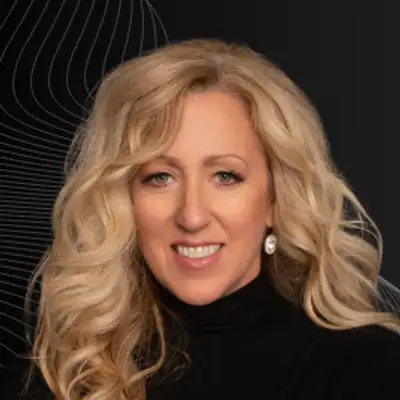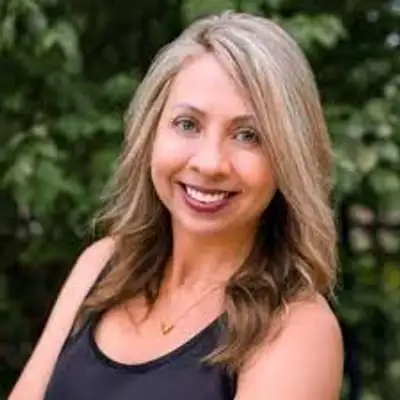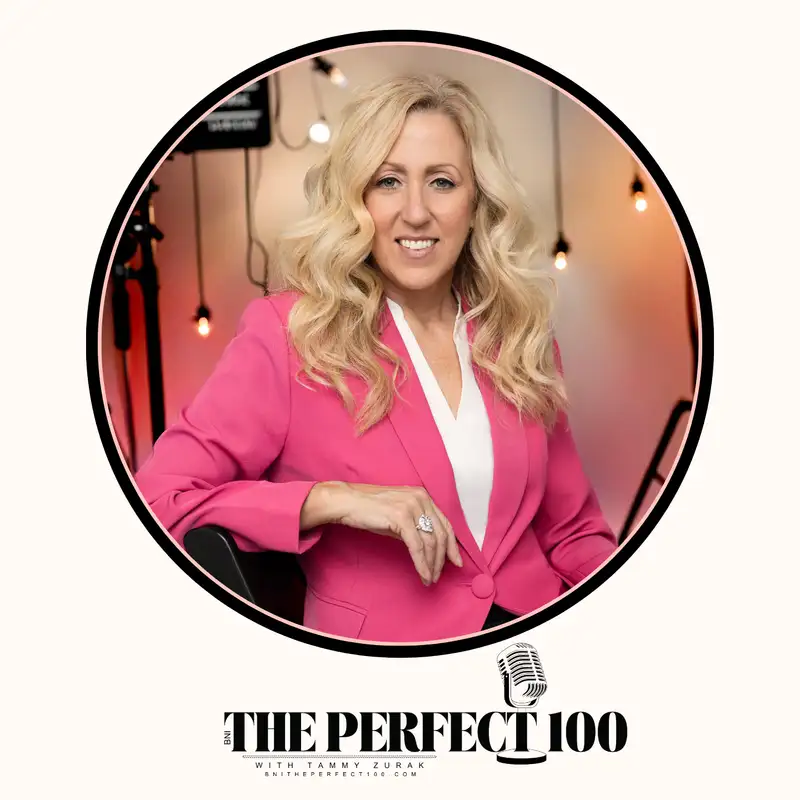
Unlocking Entrepreneur Success: Tiffany Klemis on Strengths-Based Leadership & Growth
Hello and welcome back to the Perfect 100.
I am your host, Tammy Zurak and I get to sit down today with not just an incredible
businesswoman, but also a dear friend, Tiffany Klemis.
Tiffany's journey is one of my favorites.
She went from saving lives in intensive care and interventional radiology to helping
people transform their health as a clean eating coach and as an Arbonne consultant.
What started as a better way to have a good lifestyle for her family has become a mission
to help others thrive.
We both met, I met her through BNI, didn't take long before I realized she had a lot of
talent up her sleeve.
She's not just a health coach and a leader, but she encourages everyone in all the things
that she does.
We've worked together, we've played mahjong a whole bunch of times.
I am excited to be here.
Awesome.
All right, well, I kind of gave a little snippet of what you do, but let's go ahead and
have you give everybody your 45 seconds.
Okay, my name is Tiffany Clemes and I hold the Health and Wellness Chair in our East
Memphis chapter.
And we have a clean eating program that helps people that are super busy identify like how
the food supply is really affecting their body.
It's a life skill.
We do that through an elimination diet with intermittent fasting.
We help support the elimination organs to get all the junk out.
And it helps people identify what could be sabotaging their gut, their energy, their
weight, their sleep.
There's so many problems it can cause.
we use our incredible products to help through the learning process.
And we have ingredient standards that are even higher than Europe.
And it helps save people money.
So just do it.
Tiffany with Arbonne.
Awesome.
So you started your career in the most high stress environment I can think of in an ER,
ICU, or not, I'm sorry, not ER, but ICU and interventional radiology.
First of all, what is interventional radiology?
Cause I don't know.
It's a procedural area where we do like procedures like put in catheters and basically we
work through people's vessels to do all sorts of stuff, whether it's do biopsies, all
sorts of things, but it's intense one-on-one patient and we do conscious sedation.
So that's how I help people put people to sleep while they have their procedures and I
loved it.
So yeah.
that made me laugh because I just remember having my last colonoscopy and the lady that
was putting me out for that, we had an interesting conversation around.
oh
conversations that happen for that.
Yeah.
whole Michael Jackson conversation and you know, all of that kind of came out of that.
But yeah, so what was that world like for you and what did you love most about helping
people in that setting?
I think I actually had a bad experience when I got my wisdom teeth out and the nurses were
not paying attention to me and it was a little bit traumatic.
So I think when I came out of intensive care, which I absolutely loved too, but it was
pretty high stress and I was able to do intense one-on-one patient interaction during a
very sensitive time.
It was...
It was really cool because I got to have the challenge of using the science to kind of
ride that line of being awake and not and just help them through a challenging time.
really, really loved it.
Cool.
Awesome.
Is there a patient that even after all this time that still stands out to you and what
was, you know, why did that make a mark?
I wouldn't say any specific patient, but I fell in love with finding out about people.
This is probably what has gone into some of my skills and some of my stuff that we'll
probably talk about later today is like the more I would ask people about themselves, the
more I would figure out like how just fascinating people are.
And I just loved it.
Yeah, that's, uh it's interesting, the more of these that I do, you you start to see, I
think all of us recognize we have certain strengths and certain areas, but we develop them
over time in different ways.
So you kind of work all different facets as you're from a little kid on up, you know,
you're kind of delving into things with your strengths and putting them on, you know,
testing them out and seeing how they go and.
I think pretty early in my career.
I wanted initially I was
planning to go to nursing anesthesia school.
So that's why I went directly into the ICU and I had my daughter, you know, that wasn't in
my plan that early in my life, but you know, I had just graduated nursing school, had my
daughter and we didn't have any graduate programs in Oklahoma.
So the idea of having to go out of state was a little bit, you know, I was willing to do
it, but it was not optimal, I think as a new mom.
And so,
when Arbonne kind of fell into my lap and I was like, oh, wait a minute, like I can have
the same sort of lifestyle and have to work far fewer hours and not have the stress and be
responsible for somebody's lives and be able to will it to my kids.
Like, I think I want to do this.
And my whole family thought that I had lost my mind, so.
But it's funny how everyone around us, I've worked with a lot of photographers in my
previous positions in life as a coach.
And that's always something that people tell people, go into it because you're not gonna
make any money.
And I imagine going from being an ICU nurse to being an Arbonne, what people perceive to
be, you're gonna be an Arbonne.
That's probably a big pill to swallow.
Yeah.
Right.
you, for you, Arbonne wasn't just about the products.
You decided to kind of turn that into a mission to help people be healthier.
So what does being a clean eating coach really mean to you?
Well, I don't think that we realize as a society how flawed our food supply is.
I will say, honestly, and I think my nursing background, it made me more skeptical of this
whole thing.
so when I first started Arbonne, we didn't have this clean eating program.
We had skincare and it was phenomenal skincare, but it didn't change anybody's life.
And so when this came out, I didn't do it for a year and a half.
And I just watched people.
I had a ton of people around me that were doing it.
And I saw some of the most incredible things happen in people's health.
And we can't make health claims, but like I saw with my own eyes, so many crazy things
that I knew medically.
because the medical community is very pharmaceutically trained, that just don't normally
happen.
And so when I saw these people that I personally knew all these things were improving in
their lives, I was like, huh, maybe we're doing it wrong.
Our whole medical community is kind of doing it wrong.
And so I think that once I finally embraced it, once I quit being skeptical and I finally
embraced it.
It was a very quick journey to success after that because I had finally found something
that really helps change people's lives and it was, it does, it really does.
Yeah, well, and I'm a believer, we'll talk more about that, but you've walked people, lots
and lots of people through detox, food detox, including me.
ah What's the one thing that people are always most surprised to learn when they clean up
their diet?
Maybe something that shocks them when they feel the difference.
think how much energy they have and how much consistent energy throughout the day.
Because when your blood sugar is all over the place, your energy levels are all over the
place as well.
And so I feel like so many people just feel so good.
And I've had people say by the end of the first week, they're like, I haven't felt this
good in years or ever.
it's just that those kinds of stories, I know.
That's what keeps me here.
That's what keeps me telling people about this.
you know, it's because I know it is it can be a complete game changer for someone and
change people's life in the middle of their life.
You know, I don't have to wait until a procedure or the end of their life.
I can help them now.
So.
yeah, the small changes that we make now can make a big difference later.
I've been on my own health journey.
I've had some joint challenges over the years and that not just normal sort of arthritis
things, I've had additional things.
so I've been on a long journey to figure out kind of what are the things that I can do to
help myself, set myself up for success, I guess is the best way versus.
adding things in and kind of you come from traditional medicine where they like to throw
pills at things.
And I went to a rheumatologist who very much, it was interesting.
He was very, this is kind of the traditional path of things.
We take these pills that can hurt your liver.
We take these other things that can hurt your immune system.
Yeah.
uh
to set myself up for success.
And amazingly, things, when you start to change what you put inside your body, food-wise,
um that, know, anything you consume.
can really make a huge difference.
So we'll talk more about that, but I wanna pivot for a moment first because we always talk
about the, em since we're in BNI, we're gonna weave this into our conversation today.
We always talk about the power of one.
This is the perfect 100.
So I do like to share with people kind of where my guests are at.
So let me kind of start with where you are at.
So you have a score of 70 in the green.
um You have 15 points for attendance.
That's yellow.
You have 20 points for referrals per week.
You have 10 points for uh visitors, which is red.
And one to ones you have 15 points.
in the yellow and CEUs.
I have to move my screen over.
You have 10 in the red.
And then I've got your Palms Report also.
So we'll talk through all of this real quick.
So you have um no absences.
You have four subs.
Referrals given inside, you have eight.
Referrals given outside, you have 22.
Referrals received inside, you have nine.
Referrals received outside, you have 11.
Visitors, you have four.
One to ones you have 23.
Thank you for close business given you have 30,107 and 14 CEUs and that is a total of 22
weeks.
So what do you think about all that?
This is the lowest my score has been since we started our new chapter.
But that's okay.
I feel like I really, and I'm sure we'll talk about that we built this Eastman Fish
chapter, but I really dove into all that hardcore for a while.
So I think it all kind of caught up with me.
And now that I'm starting to back off on like actual BMI things, I'm able to, I'm gonna
redirect and get back into my.
personal chapter activity.
Yes.
Well, and when Tiffany says back off on being, think she means she was a launch coach for
quite a while.
this, chapter that she and I are both in together was the first one that she's brought to
fruition.
So we definitely will talk about that and being 70 is green.
you're good.
You know, that's obviously I know you want to achieve more so.
But green is the green is the area we all like to be so that ebbs and flows and if the if
the ebb or the flow, I don't know which it is the bottom 70.
I think you're good.
ah So, you know, your journey with that, I think tells a story of consistency.
ah I think that that's a
that's the hardest part of what we do, right?
Is trying to maintain all the things while juggling all the balls in the air outside of,
you were helping inside BNI as a launch coach, but you're also running your business, you
have a family.
ah So, you know, how do you keep all those balls in the air?
Well, I had to evaluate which balls were most important and maybe put a couple balls down.
So, you know, I was the VP of our chapter.
I was a launch coach.
I was doing all the things and I did step away from doing launching, which is good.
I helped launch four different chapters.
So that was, it was fun.
Well, and it really helped me know a lot of people in the area.
That's why probably I have so many outside referrals.
Yes.
were on my report because I know people all around town that do all sorts of things.
but I think that that is helping, that will help my consistency come back in my numbers.
So I'm excited to do that.
made a great point there is, you I'm a chapter success coach here.
You were a chapter launch coach and both of those things you get to know, like know
people.
I was just looking at, we have a meeting every week for the coaches and I was looking at
my list of people and I was thinking back to, I was previously managing director for a
little while and I'd look at a spreadsheet of names and they were, I literally was
thinking this morning, like those were just names.
I didn't know, you know, the coaches.
knew who they were because they see them all the time.
But from afar, I didn't know everyone.
And that's one of the things I didn't enjoy about that was I actually did the whole reason
I took it.
And the reason I stepped away from it was I wasn't getting to know the people I really
wanted to have my arms around.
if you're listening to this and you're BNI member, a great way to build your network.
Okay.
a success coach.
And they called it, they've changed it back to a director consultant, but director
consultant or launch coach is a great way to get to know more people and have them in your
network and them know you even more importantly, right?
So let's pivot back to nursing a little bit.
So you help people survive, but now you help them thrive.
um What's weird, how has your definition of helping people changed or evolved since doing
what you do now versus what you were doing?
I think I'd like I can help them early in their life.
I remember there was one couple in Oklahoma.
That's where I came from was Oklahoma.
But there was a couple that they had young kids and both of them went through it and the
husband like had so much energy at the end of the day he was able to like interact with
his children.
And I think, and his wife was so, like, she's like, my gosh, thank you so much.
Like, this has truly changed our family.
So, things like that.
had uh a group of a whole family up north that went through this, because we can do this
from anywhere.
It's like, you don't have to be close here in Memphis.
But there was a family up north and the whole family went through it.
And as a collective family, they had lost over 700 pounds.
my god.
just the difference that it can make in people's lives if they embrace it.
Now, some people don't necessarily embrace it.
They just go through how they do one thing, how they do everything.
Some people do it, some people don't.
But just the satisfaction that that gives, because how else would I be able to affect
people like that?
Right.
Yeah.
Well, and I've been through it and I think that when you're through it is the cleanse, the
detox, the 30 days you kind of eat.
You have a preselected group of things that you're, you you have supplements and then you
have foods that you're supposed to eat or not supposed to eat as the case may be.
Um, in fact, you took me shopping.
You know, we, I like to think I had a pretty good grip on things.
And my husband, would say is probably felt even stronger about that.
Cause he's pretty into fitness and nutrition and all of that.
And, Tiffany took us shopping to, um, well, sprouts.
Yes.
I couldn't think of the name of it.
And, I, I learned new things and he learned new things.
And one of the things was the dirty dozen.
I hadn't heard of the dirty dozen.
Um, so in.
You can Google that or reach out to Tiffany and she'll talk to you about it later.
But what are one or two food ingredients that you wish everybody understood so they would
feel better?
I feel like apples, like the importance of buying organic apples and berries, like here's
the thing is if a bug loves it, it's going to have a lot of pesticide on it.
So, and just the things that they're doing too.
I mean, those two, those are easy things.
Always, always, always eat those things organic.
apples because it's not just on the outside of the apple.
gets in the meat of the apple.
And then they're doing all these crazy wax things and they're just doing all sorts of
crazy stuff.
And that is just a teeny tiny sector of the whole food supply.
It's happening in meat.
It's happening with the way that they're growing wheat.
It's, you know, soy, corn, all these crazy things are going on.
And it's just when you don't know, you don't know.
So
when you educate yourself, like I said, it's really a life skill that you take forward,
not just for you, but for your family and how your family is gonna go into the future too.
So I don't know if that answered your question.
Yeah, close enough.
That's it.
Yeah, I think you got there.
The people I don't feel like the average person recognizes how much the bad things they're
putting in their body, right?
Is you they you're supposed to shop around the outside edge of the store.
But even I was doing that and that wasn't, you know, organic.
You need to eat.
You don't have to buy everything organic.
And when you talk to me, she'll walk you through what you can and.
can't or should or shouldn't and you don't have to even, you you can, a good step is just
shopping around the outside of the grocery store, not in the processed food stuff.
um But you know, there, there are things that I wasn't choosing organic that I do now.
um Cause I don't want all that junk in my body.
So you're a mom, you're married to a doctor with a crazy schedule.
You're a successful business owner.
What does a healthy day look like for you?
Whether that's food mindset balance.
The good news is that my business, full-time business, takes about 10 to 15 hours a week,
maybe 20 hours a week.
So I'm really able to focus on my own health.
Working out in the mornings is one of my favorite things to do and taking care of just my
spiritual health and
then being able to have the time to build relationships during the day, whether it's
through BNI one-to-ones or meeting with different people.
And then there's healthy restaurants around town that I like to go with people to.
My husband and try to lead an active lifestyle, and we kind of hold each other accountable
for that.
we love it.
Yeah, it's so much easier when you have a partner that supports all of those things,
right?
I was talking to my, the lady who does my hair the other day and that was her, she's
actually diabetic and her, she's newly married and she's slowly trying to build her
partner to a healthier lifestyle and that's a challenge.
And I was thinking again to myself, like, I'm so happy that my husband's like, if I say I
wanna come home, you know, I come home one day and like, we're gonna do a 30 day,
you know, cleanse or we're not going to eat all this crap.
Like, okay, whatever, sign me up.
So, but even if your partner, family, whatever is not supportive, you know, when you look
yourself in the mirror, that's the only person you're accountable to is, know, what goes
in your mouth and how you feel about it is, you know, that's, only have to make yourself
happy.
And then I think people like, but Tiffany said earlier, is you see the benefits.
It's motivating, yes.
Because I feel like honestly, like our whole society is looking for this.
They all want to feel better.
They all want to feel good in their clothes.
They want to be able to have energy to exercise, energy to live.
So they just are not sure where to find it.
And there's so much misinformation out there that everyone's confused.
So a lot of people just do nothing or they'll try one thing and it's exhausting or they'll
try something and it's just not sustainable.
So that's why it's another reason.
Like we don't have like magic products that people need to use forever.
You can use them because they're delicious and they're convenient, but you know, that's
not how this is set up.
that's different.
oh
you need to learn to eat, you know, what is what is sustainable for you.
You know, and I would be remiss if we didn't talk about sugar just because it's such a
part of the, you know, the health of our lack thereof of our community, you know, in
general, just people in general.
um When you see people give up sugar, because that's part of what you do in a cleanse,
what based on your medical background,
What's actually happening to our bodies when we cut that out?
I think that because truthfully you don't have to give up sugar necessarily but you do
have to have the right sugars when you go through this and a lot of that is based on your
glycemic index so
As a society, eat way too much sugar as a society.
our pancreas, a lot of our pancreas is overproduced insulin.
So what happens is people will eat something, whether it's a high carb breakfast, a bagel,
know, cereal, oatmeal, whatever.
And then they'll have a blood sugar spike.
They'll have a ton of insulin that gets put out by their pancreas.
And then actually you're having just a, you know, a few hours later, you know.
a little while later, you're having symptoms of low blood sugar because your blood sugar
is actually low because you have too much insulin.
So people are just all over the place.
You know, after breakfast, after lunch, they're feeling tired.
They feel like they need a snack or some caffeine.
That's all part of this equation.
when people's, when you're eating things that are a slower burning sugars, you're just not
on the roller coaster all day.
And that helps people have more consistent energy.
And it just,
it just makes sense and it makes people feel better.
Yeah, well, and just because I watch a ton of podcasts about this kind of stuff, the
dopamine also is your your priming your brain for dopamine hits.
It's like it literally this it's the same as let's just go do some cocaine.
Yeah, I mean, it's like this constant and if you're listening, you weren't seeing Tiffany
do a rolling motion like hills up and down with her hand.
when she was talking about what your blood sugar does, your brain is doing the same thing.
You're poisoning your brain with dopamine where you're constantly getting dopamine hits
every time you eat, but then it falls off.
So then you get dysregulated and it's a whole thing which we're not gonna go into today.
But if you get, if you start to look at just one thing, if you start to change one thing
in your diet,
it will, it starts to have a domino effect on other things.
So try one healthy thing and then move on to the next thing.
And Tiffany's definitely somebody that can help you with that.
um So I want to kind of shift gears again.
And I want to show your Clifton's strengths because, you know, this, we're going to talk
some more about all the good things about your strengths.
So.
You are, I'm gonna go through your top five.
You've actually done, Tiffany's done a coaching session with me.
So she's actually done her full 34, but I'm gonna walk you through her top five, because
that's what we do here.
So your number one is individualization.
You are intrigued with the unique qualities of each person.
You have a gift for figuring out how different people can work together productively.
Number two is a ranger.
You are both organized and flexible.
You enjoy figuring out how to align people and resources to get the best results.
Your number three is ideation.
You're fascinated by ideas.
You see connections that others don't and can view the world from different perspectives.
Number four is activator.
You can make things happen by turning thoughts into action.
You want to do things now rather than simply talk about them.
Okay.
enthusiasm.
You are naturally upbeat and can energize others.
I also want to show your full 34.
I'm just going to give people the rest of the top 10 because those are the important
things.
So your number six is empathy.
Your number seven is connectedness.
Your number eight is belief.
Your number nine is self-assurance and number 10 is communication.
You
are kind of the perfect mix of things to do what you do.
What stood out to you the most when you saw all of your results initially?
I think it makes sense because I've noticed my brain is always looking for the most, the
best way to do things, like constantly, whether it's, you know, just fixing something
around the house or the most efficient way that makes most sense, the smartest way to do
stuff.
And so that includes knowing people and if you're working with people, you have to know
what they're good at and you have to pay attention to what they're good at and what
they're not good at so that everything can work together the best possible way.
And that's how my brain works.
was like, yeah, this is how it happens.
Yeah.
and for Tiffany as a launch coach was my first brush with her was actually I saw her give
her, uh she had her future presentation and when I was still the managing director, I had
never met her and showed up and I was so impressed with her presentation, went up and
talked to her after and come to find later that she has so many amazing talents that were
perfect.
for a launch coach.
In fact, in the two of us together, our strengths are really a great compliment.
My strategic and my maximizer pair really well with your individualization and arranger.
um So, and we were in the same chapter, uh how do you see those playing out together as we
both help lead the chapter?
Well, I think that you bring new perspective that I don't think about a lot of times.
So that's really great.
And I feel like I'm constantly thinking who would be best in what role and who's going to
really kill it and do this so well.
which is really great to have people that really care about our chapter.
I think we did a good job of
building a chapter that people really care about doing this well.
so finding new leaders because, you know, we kind of carried the load for a little bit,
you know, in the beginning and finding new leaders that really have wanted to take the
baton and move forward to do things well in a group that runs well.
So I feel like both of us have worked in different ways to do that spearheaded.
we come at it from similar and different views, which is great because, know, Tiffany's
like, uh I don't know what the right word is, like a magician.
can, she can just, she just pulls people together and she puts them into where, you know,
what they're supposed to be doing and how they're supposed you know, she just, she, that's
the beauty of having strengths in those, you know, the individualization and arranger
together, you know, you're, you're very,
Yeah.
knows, but you know, I can give it a name.
you know, together as we came into the new term, we were kind of like, okay, we got the
whole chapter together and we're kind of giving everybody the opportunity to see the
differences and the similarities so that we could decide, okay.
Right.
It also.
It also helps too when we were trying to figure out how to like motivate different parts
of our chapter to do things.
We would look at their strength and what motivated them.
And so we would play off that and see, you know, how like that's, we got a lot done that
seemed like it wasn't getting done before.
So it was great.
Yeah.
And so I have my own view on this, but I want yours.
What do you think, since we started it from scratch and we kind of put it together, you
know, the way we wanted, why do you think kind of handpicking and all of that made a
difference from and how has it helped with the sustaining of that growth?
Because you said, you know, we kept it, we've now handed it to others to do and it's still
going well.
So why, what's your opinion on them?
Well, I think because hopefully the people, the right people are in the right positions to
do what they naturally do instead of being in positions that they are not naturally
inclined to do or that they're not interested in doing.
And I think that that really helps.
And some of the growth stuff that we did that you led actually
was really letting people choose what they want to do too because BNI is a volunteer
organization.
Nobody has to be here.
Nobody has to show up.
Nobody has to, I mean, if they want more business, they need to, but all of those things,
people have to do kind of what they want to do.
That's when they're gonna do well.
So I think that all those things have really helped.
Yeah, I love that.
It's, uh I think that we forget sometimes we just throw people, oh, somebody's got to do
this, this role.
So you're it or, or nobody steps up because they don't even understand how it fits and how
if they had, they have, everybody has their own set of strengths.
So if only you knew what those were and you could offer up in a good role that fit those
things, you know, you would be happy.
And so would everybody else.
um And recently we've
I feel like that's just part of the...
Part the gig, you know, like there are gonna be people that come and go and that's why I
think constantly building, you know, at some level making relationships, figuring out who
we need, who we can help really well.
I mean, there are some positions that we refer to in other chapters on a regular basis and
man, if we got the right person in our chapter, we could really help build their business.
just taking the time to
keep that on the radar and thinking and being a little bit purposeful of, oh we actually
need an HVAC person in our chapter.
Our meeting time might be a little hard for a lot of trades people, but if we can find the
right one and just being a little bit thoughtful about all that, that's the motivating
part to me and the people that have to leave.
I mean we can't control that, so.
Right.
Yeah.
So we have to always be looking, right, as the either and it's not just us two or three or
four.
It's everybody.
You know, I think we make it a priority that we post it, we talk about it.
It's something that's always at the forefront that we have to be constantly looking for
these people.
We have a realtor change upcoming.
You know, our realtor took a promotion to do something else.
So no longer in our chapter we have we're interviewing
Today.
the right one that's going to be a fit.
And it feels so strange because it's literally a job interview, but it's for like you
said, it's a volunteer organization, but they all want in.
Everybody wants to be a part of something that is successful.
And, you know, they when they come and visit and they see the energy in the room is the
thing I hear the most about all our visitors like, wow, it's like, this is crazy.
This is like amazing, you know.
Everybody wants to be a part of it.
So uh it's an interesting thing that you build it and to try to keep it going.
And speaking of keeping it going, what's something or you are someone who leads through
encouragement and example.
uh What have you learned uh about helping people change, whether it's their health or
their habits without judgment?
I think that just being able to communicate, because communication is one of my good ones
too, being able, hey, what's in it for them?
Because that's what everybody is walking around with this sign, you know, that's.
like what's in it for me?
Like why would I do this?
Is it worth the effort?
Is it worth the time to come to BNI?
Is it worth the investment?
And I know that with the right attitude and the right skill set and as long as people do
not walk in super selfish, as long as they're here to help serve others, I mean that's
what BNI is founded on.
And so if they can walk into that, like I've just seen too many success stories to know
that
You know, it doesn't work.
I know it works.
So if you can just help people see that, you know, but not everybody will and that's okay.
We can't do a thing about that either.
So.
exactly.
So we've both seen when everyone's rowing together that growth happens, eh but even when a
few people stop paddling, it can slow down the whole group.
What's one thing that verse can do to help their chapters thrive?
I think keeping BNI on their schedule because I feel like it's very easy if, especially if
you're busy and have a busy work week, that this is very easy to get smushed out.
That's why my CEU numbers aren't fabulous.
Even though I listen to this podcast, this is my favorite place to get CEUs.
because you learn so much about other people in your chapter, all these other people that
are interviewing with you and like that.
taps into the things that I really enjoy about people and them being individual in the
first place.
I think that as long as people are keeping it on their schedule, then it's top of mind and
then everything works as it should.
Yeah, I have to make it routine for myself to work.
I'm reading Atomic Habits and you have to make it easy for yourself to do the thing or you
won't.
So if that means you've just slot, you know, something on your calendar every week that
this is my, you know, BNI day, my BNI one-to-one spot, my whatever, my time to go look for
visitors, you know, if it's on my calendar.
Right, right.
So how do you see Clifton's strengths helping a BNI chapter understand who's in the room
and why that matters for building trust and results?
I think that it doesn't always, it's not always obvious what motivates people to do what
they do.
And when you have that information, because we had even had some, you know, we had had
some challenges and some different roles and it was just so confusing to me why it was
happening until I saw some of the reports that, you know,
that people had done for that.
I'm like, okay, this makes sense.
These things are really strong in this person, but not sometimes the skill set that you
need to completely get through the job.
So I think that that was super helpful.
Yeah, so we did, I kind of alluded to it as we, because a lot of my chapter members have
been on the podcast or they've just hired me for coaching.
I have assessments that we showed earlier for a lot of, more than half of the chapter.
it's really, it's a low cost investment to be able to see, you know, I'll put it to you
this way.
You spend, well, I do, I spend as much time doing BNI as sometimes I do in my business.
uh
BNI with the expectation we would get more business.
And if you really want your support system to thrive, that provides you the opportunity to
grow your business because we've all been to a chapter where maybe their numbers weren't
so great or maybe they didn't.
.
or want to.
But when it hits on all the cylinders, then suddenly now you're getting more business.
to me, why I became a Clifton Strenghts coach in the first place was it's one more layer
of knowledge that helps us be better.
um So, you know, I said we had our uh title attorney on last week's episode and his
strengths are polar opposite of mine.
So if I'm trying to build a team, I'm going to come to him because I don't, woo is not my
thing.
um I have high influence, but woo winning others over is a whole different level of
influence.
you know, harmony, your harmony and my harmony are both closer to the bottom.
Doesn't mean we don't care or doesn't mean we don't want harmony.
It just means that's not the first thing we're going to.
So.
We would seek out those, there are people in our chapter that have a Harmony as a high
number.
So we look for those people because when you're moving things around, Harmony kind of gets
disturbed.
So it's kind of fun to have that inside knowledge of people to, whether it's in your
chapter or your business, know, just me in general, I just like knowing about myself.
You know, I like to take all those assessments because I'm like, yeah, okay, now how do I
use this?
You know, what am going to do?
And you are somebody who naturally notices unique differences and motivations in people.
If you could give chapter leaders one piece of advice about using those insights to grow
their group, what would it be?
Well, it'll save them a ton of time and heartache.
Not like if you are not sure who is good at what.
In a snapshot glance, you can see it.
You don't have to figure it out.
You don't have to know them super well.
You don't have to.
There might be someone brand new in your chapter.
If you have that set of information.
Like you're like, okay, they're gonna be good at this or gonna be good at that.
And maybe it's more natural for me to pick up on those things, but there are people that
help you interpret the reports.
Tammy, that's what she does, helps you interpret, well, this might be better here, this
might be better there.
So it just makes everything flow more naturally and it just saves so much time and
headache.
yes.
Well, and you don't have to have the assessment.
know, it's certainly nice information to have, but I think you alluded again earlier to we
last year, we didn't have that information when we first started.
So we kind of just asked.
Strange.
You know, we took the opportunity.
I created four different buckets of people and or four different buckets of things you
could do.
and all in the vein of growth and then said, who wants to do which team?
And everybody was like, and ironically, evenly balanced itself out.
Everybody that volunteered, there were 20 or some people in the chapter and there were
four or five people and every one.
And those people then worked together in their.
what they wanted to do, which was build something to grow, you know, in their own way.
So it wasn't like, okay, you have to do this.
And you're like, that sounds horrible.
um It was like, ooh, this is fun.
Let's, you know, let's put and make this happen.
And people were actually excited.
It makes people happier like you like like I said before this is a volunteer organization
you want people that are wanting to do what we need help with so it's just it's so
work in their lane that they love.
um So I am going to roll over to the quick fire round, the clean and clear round for you.
So just some fun, you know, quick answers in to questions that I tailored to you.
So what is one ingredient you'll never touch again?
Never.
Soy is so bad.
em If you get it, there are some situations where it's okay, but almost all the soy that's
out on the market, horrible.
It mimics estrogen.
It's genetically modified.
mean, even organic.
Soy mimics estrogen in certain situations.
But very rarely you can do some things.
That's it.
everything in moderation, but not that.
Yes.
in my house, especially soybean oil.
That's probably one thing I would never touch again.
Okay, awesome.
Coffee or tea and how do you take it?
I guess I probably prefer tea because I only do coffee.
I used to be heavily dependent on coffee, but more tea now and I physics so they're a
little healthy energy drink.
Yes, yes, and so do I.
Well, and I'll say, and this is supposed to be quick fire, but I'm going to stop and say
that I used to, I don't like drinking plain water.
um And it was, I should say I didn't like drinking plain water.
And I always use the, um the, the aspartame sticks.
Let's just call them those because they had flavor.
um They were flavored.
They're the packets that you buy everywhere and you pour into your water and they make
them taste better, but they have aspartame and various other bad supplement of sugar kind
of situations in them.
And I was addicted to them.
And because I wanted to drink water, I got off soda.
So it's a level thing, right?
I was drinking soda.
And so I at least got myself off soda by having that.
But then the next level was when I went through Tiffany's cleanse.
Mm-hmm.
can enjoy foods that you didn't weren't able to taste in ways that you would if you
weren't otherwise altered and
The other thing was when I tasted it, tasted like chemicals.
And it was so strange, but I didn't taste that before, you know?
So it's just a weird thing.
I was thinking about that when I was kind of prepping for, and I meant to ask you.
another one that I would never touch again, aspartame.
Artificial sweeteners, nope.
Yeah.
right.
The third one is what's your favorite healthy swap that people are shocked actually tastes
good?
Maybe, let's see, almond butter, I feel like it tastes good.
um I think quinoa tastes good.
A lot of people don't know about quinoa.
uh If they're coming away from unhealthy grains, you know, just a lot of our recipes.
I feel like everything really tastes good.
Once your palate starts detoxing, like you were talking about, like even like broccoli,
you're like, whoa, this tastes amazing.
So.
Cassava flour was a big one that I didn't, was like, wait, you can make, you can have
chips and um the cookies and stuff that are not nearly as treated as other things.
Cassava flour was one people can look at.
You can only keep three things in your pantry.
What are they?
Mmm, organic chicken sausages in my pantry or in my refrigerator?
Well, I wrote it as your pantry, but...
Okay, well, I love the little organic chicken sausages because they're a quick hit if I
need some protein.
um
avocados and maybe those the cassava chips I try not to get too carried away with them but
you know sometimes I just want something a little I try not to do like a lot of processed
stuff but you know if you need a chip this it's a better chip so
I try not to eat those either, but they're good.
And like those, the crackers that are, I can never remember the name of them.
I said it to you last time I saw you about crackers, but there's a good cracker that is
not.
Yes, almond flour crackers are good.
There's a different one that tastes really good that I'm addicted to.
So I can't have them in my house because they eat too many, but if I'm out and I see them,
I might.
um
All right, what's one food you thought was healthy but turned out to be sneaky?
uh I feel like people think soy is healthy.
Soy milk, soy this, soy that, you know, and it's just not.
It's just because the way that they're growing it, it's one of the government subsidized
crops and so they overproduce it.
It's in everything.
It affects all sorts of our, they're feeding it to livestock, they're feeding it to us.
Yeah, not good.
Well, tomatoes was for me, like I actually grow tomatoes, but I didn't realize till we
went, and that was one of the things when we went shopping, how nasty tomatoes actually
are.
There was one I was talking about the other day to somebody, peanuts.
Peanuts are not good for you.
um And again, you can do your own research, but peanuts have a whole lot of um not so
great things.
um Cause actually my, again, I was sitting getting my hair done.
in my, the lady who does my hair, she's diabetic.
So we were talking about food and all the things she's tried.
She also has, we both have health things.
So we talk about those things and um she's just like, yeah, I eat a lot of peanut butter.
I'm like, ooh, yeah, peanut butter.
It's a high allergen because it's a legume and they have lots of little micro molds that
grow with them because they're an underground crop.
So it could be causing people problems and they just don't even know.
Yes, yes, yes, All right, if you could design a billboard that says one thing about clean
eating, what would it say?
It's easier than you think.
um What's your go-to reset when life feels out of balance?
Something simple that instantly helps you feel grounded again.
Ah, yes.
uh
sneaks back in and I'm just not feeling great, it gives me brain fog too.
Like I ate a bunch of gluten, like we were at a wedding this weekend and I had cake and
the next day I can get such bad brain fog, can't stand it.
Yeah, and I feel it in my joints also when I overeat that kind of stuff, it hits my, that
kind of stuff.
ah What's something that never fails to make you laugh even on a hard day?
My husband, he's so cute.
He's really funny.
nice and finish this sentence success to me tastes like
Tastes like freedom, I think, when you have time freedom.
I think that's one thing that really attracted me to Arbonne as a business is the ability
to duplicate, definitely, the American dream, people can make a ton of money, it doesn't
mean that they have their time.
So this is, I feel like, time freedom, yeah.
that's awesome.
And the older we get, the more that matters, right?
It seems like every year they, was, I read something or heard something, I can't remember.
was, maybe I was listening to something, doesn't really matter, about time and how fast
time seems to go.
The older you get, the faster it seems to go.
And it's a brain thing because we do the same things, you know, over and over every week,
every day, you know, you have, we all have routines and
You drive the same way to go to the same place all the time instead of, that starts to,
that's why things go faster because you're not even thinking, right?
You're not engaged in anymore because it's just rote.
We just do it.
So one way to slow down time is to do something different.
know, create new habits, take a different road to wherever the place you go to all the
time is, and, you know, create new pathways so that you're growing and, you know, slowing
time down just a little bit.
Yeah.
thank you for reminding us that wellness isn't just about what we eat.
It's about how we live, connect and support one another.
You've shown us how strengths, health and community go hand in hand.
such a pleasure to have you here today.
It was such a pleasure to be here.
She actually had taught me into doing this too because I was like, no, no, I don't want to
do it.
So thank you for talking me into it.
Of course, yes, it's common reaction.
Everybody gets nervous.
It's kind of like, you know, I a photographer, portrait photographer for a very long time
and it's people don't want to have that experience until they have that experience with
me.
And then, you know, they feel better about that afterwards because it's not as stressful
as you might think.
So I appreciate that.
All right.
To our listeners, if you want to experience what it's like to build your business and your
body the healthy way, connect with Tiffany, um or better yet, come visit our chapter if
you're local and see all these things in action that we talked about.
And if you're ready to learn how your own strengths can power your business growth or your
chapter growth, head to theperfect100.com or tamizarek.com to get more details on building
your strengths.
And I have to ask, I looked yesterday,
on the subscribers, how is that 97?
And this is called their perfect 100, trying to get to 100.
So three of you that are listening that have not subscribed, more would be even great.
I I appreciate that so much more.
Please go and subscribe, that would help me.
Thank you.
Bye everybody.
Creators and Guests